TRW Law Firm – Global Header
Sections 228 and 229 of the Companies Act 1994

Sections 228 and 229 of the Companies Act 1994

Sections 228 and 229 of the Companies Act 1994: Court-Sanctioned Amalgamation, Merger and Reconstruction in Bangladesh

https://upload.wikimedia.org/wikipedia/commons/9/92/Supreme_Court_of_Bangladesh_%2827017262716%29.jpg

Corporate restructuring in Bangladesh is principally governed by Sections 228 and 229 of the Companies Act 1994. These provisions establish a structured, court-supervised mechanism for amalgamation, merger, compromise, arrangement, reconstruction and demerger. They ensure transparency, protect the interests of creditors and shareholders, and vest ultimate supervisory authority in the High Court Division of the Supreme Court of Bangladesh.

For large listed entities such as LafargeHolcim Bangladesh PLC and other industrial conglomerates operating in Dhaka, Chattogram and beyond, these sections provide the legal architecture through which businesses consolidate operations, reorganise capital structures, or segregate business verticals through demerger.

This comprehensive guide prepared by Tahmidur Remura Wahid (TRW) Law Firm explains the statutory framework, procedural stages, judicial scrutiny standards, creditor protections, implementation mechanics, and strategic considerations for companies contemplating merger or reconstruction under Bangladeshi law.

Statutory Architecture of Sections 228 and 229

Sections 228 and 229 together form the backbone of corporate restructuring law in Bangladesh. Their function may be summarised as follows:

Section 228 establishes the jurisdiction of the High Court Division to sanction compromises or arrangements between a company and its creditors or members.

Section 229 empowers the Court to make consequential orders for reconstruction or amalgamation, including the transfer of assets, liabilities, legal proceedings, and dissolution without winding up.

The legislative intent is to enable corporate reorganisation while maintaining judicial oversight. Unlike a purely contractual merger, a court-sanctioned scheme becomes binding on all stakeholders once approved, including dissenting minorities.

Conceptual Foundations: Compromise and Arrangement

The terms “compromise” and “arrangement” are deliberately broad. In practice, they include:

• Restructuring of share capital
• Conversion of debt to equity
• Merger of two or more companies
• Demerger of a business undertaking
• Corporate group restructuring
• Reorganisation of liabilities
• Settlement with creditors

This flexibility allows the statute to adapt to diverse commercial scenarios, from financial distress restructuring to strategic consolidation of group entities.

Section 228: Court-Supervised Compromise or Arrangement

Section 228(1) empowers the High Court Division to order meetings of creditors or members where a compromise or arrangement is proposed.

The core procedural elements include:

Application to Court

An application is made by:

• The company
• Any creditor
• Any member
• The liquidator (if in winding up)

The application seeks directions for convening meetings of affected classes of stakeholders.

Court-Ordered Meetings

The Court determines:

• The appropriate class composition
• Notice requirements
• Explanatory statement contents
• Voting thresholds

The integrity of classification is critical. Creditors or members with dissimilar rights cannot be improperly grouped together.

Approval Threshold

For the scheme to proceed:

• A majority in number
• Representing three-fourths in value

of creditors or members present and voting must approve the scheme.

This dual threshold protects both numerical majority and value majority.

Court Sanction

Even after approval by stakeholders, the scheme does not become binding until sanctioned by the High Court Division.

The Court evaluates:

• Procedural compliance
• Fairness
• Absence of coercion
• Proper disclosure
• Protection of minority interests

Section 229: Facilitation of Reconstruction and Amalgamation

Section 229 supplements Section 228 by enabling the Court to make implementation orders where reconstruction or amalgamation is proposed.

The Court may order:

• Transfer of undertaking, property or liabilities
• Continuation of legal proceedings by transferee
• Dissolution of transferor without winding up
• Allocation of shares or securities
• Any incidental, consequential or supplemental matters

This provision gives operational effect to merger and demerger transactions.

Legal Mechanics of Amalgamation

Amalgamation typically involves:

Transferor Company → Transferee Company
Transfer of assets and liabilities
Share exchange ratio
Dissolution of transferor

Upon Court approval:

• All property vests in the transferee
• All liabilities become obligations of transferee
• Pending litigation continues seamlessly
• Contracts remain enforceable

No separate conveyance deed is required once the Court order is registered.

Demerger and Reconstruction

Reconstruction differs from merger. It often involves:

• Splitting business units
• Transferring specific undertakings
• Creating subsidiary structures
• Segregating liabilities

A demerger under Section 229 allows:

• Business vertical A to move to NewCo
• Shareholders to receive proportionate shares
• Parent to retain other assets

This is frequently used for risk segregation and strategic restructuring.


Judicial Oversight: Role of the High Court Division

https://outspoken.newagebd.com/files/img/202410/3e947a62cc5281cc87c1b422835674f1.jpg

4

The High Court Division functions as a supervisory guardian rather than a commercial decision-maker. It does not substitute business wisdom but ensures:

• Proper class constitution
• Adequate notice
• Full disclosure
• No fraud or oppression
• Compliance with statutory voting thresholds

The Court also evaluates whether the scheme is one that an intelligent and honest person might reasonably approve.


Procedural Roadmap for a Scheme of Arrangement

A typical restructuring under Sections 228 and 229 proceeds as follows:

Step 1: Board Approval

Board resolution approving draft scheme.

Step 2: Scheme Drafting

Preparation of detailed scheme including:

• Definitions
• Share exchange ratio
• Effective date
• Asset transfer mechanism
• Employee transition
• Tax implications
• Dissolution clause

Step 3: Petition to Court

Application seeking directions to convene meetings.

Step 4: Court Directions

Order for:

• Stakeholder meetings
• Notice publication
• Explanatory statement circulation

Step 5: Stakeholder Meetings

Voting and approval.

Step 6: Second Motion Petition

Petition for final sanction.

Step 7: Court Sanction Order

Approval and binding effect.

Step 8: Filing with Registrar

Order filed with Registrar of Joint Stock Companies and Firms (RJSC).

Step 9: Implementation

Transfer, allotment of shares, dissolution.


Creditor Protection Mechanisms

Sections 228 and 229 prioritise creditor rights through:

• Mandatory notice
• Voting rights
• Objection opportunity
• Court supervision

Secured creditors are especially protected, and their consent is often essential.

If creditors object on grounds of prejudice or unfair valuation, the Court may refuse sanction or require modification.


Shareholder Protection

Minority shareholders benefit from:

• Disclosure obligations
• Fair valuation review
• Voting safeguards
• Judicial scrutiny

If a scheme appears oppressive or unfairly prejudicial, the Court may intervene.


Impact on Employees

In most schemes:

• Employment contracts continue
• Service continuity preserved
• Benefits transferred

However, specific drafting is essential to avoid labour disputes.


Tax Considerations

Although the Companies Act provides structural mechanism, tax consequences depend on:

• Income Tax Ordinance provisions
• Capital gains treatment
• Stamp duty implications
• VAT registration changes

Strategic tax planning is integral to merger structuring.


Listed Companies and Regulatory Overlay

For listed entities such as LafargeHolcim Bangladesh PLC, additional compliance includes:

• Stock exchange approval
• Securities regulator clearance
• Disclosure under listing rules
• Fairness opinion
• Shareholder circular

Court sanction does not replace securities compliance.


Dissolution Without Winding Up

A distinctive feature of Section 229 is dissolution without liquidation.

This means:

• No formal winding up process
• No appointment of liquidator
• Corporate existence ends by Court order

This streamlines group restructuring.


Comparative Perspective

Bangladesh’s Sections 228 and 229 are conceptually similar to:

• UK Companies Act scheme of arrangement
• Indian Companies Act compromise provisions

The court-centric model ensures fairness while enabling flexibility.


Strategic Use Cases

Companies typically invoke Sections 228 and 229 for:

• Group consolidation
• Debt restructuring
• Pre-IPO reorganisation
• Family business succession
• Cross-border alignment
• Exit planning


Common Pitfalls

Corporate restructuring may fail due to:

• Improper class constitution
• Inadequate disclosure
• Valuation disputes
• Regulatory non-compliance
• Minority oppression claims

Meticulous planning mitigates litigation risk.

Valuation and Share Exchange Ratio

Independent valuation is critical. The Court may examine:

• Asset value
• Earnings multiples
• Fairness to minority
• Expert reports

Transparent methodology strengthens judicial confidence.

Role of Professional Advisors

Successful restructuring requires coordination among:

• Corporate lawyers
• Chartered accountants
• Valuation experts
• Tax consultants
• Company secretaries

Integrated advisory reduces procedural delay.

Litigation Risks

Opponents may challenge schemes alleging:

• Fraud
• Coercion
• Misclassification
• Suppression of material facts

Judicial scrutiny is rigorous but commercially pragmatic.

Case Study Illustration: Industrial Consolidation

Consider a scenario involving a cement manufacturing group operating across Bangladesh, similar in scale to LafargeHolcim Bangladesh PLC.

The group may:

• Merge subsidiary into parent
• Transfer quarry assets
• Consolidate distribution network
• Eliminate intercompany debt

Using Sections 228 and 229:

• Scheme drafted
• Creditors convened
• Court sanction obtained
• Subsidiary dissolved

The result is streamlined governance and cost efficiency.

Demerger for Risk Segregation

A conglomerate may separate:

• Real estate division
• Manufacturing division
• Energy business

Through Court-approved demerger:

• Each division becomes independent
• Liabilities ring-fenced
• Investors may participate selectively

This enhances capital market attractiveness.


Cross-Border Dimensions

Where foreign shareholders or lenders exist:

• Regulatory approvals may be required
• Foreign exchange compliance essential
• Bilateral investment treaty implications considered

Court sanction does not override sectoral regulation.

Public Policy Considerations

The Court will not sanction a scheme that:

• Violates law
• Evades creditors fraudulently
• Undermines public interest

Judicial discretion remains a safeguard.

Documentation Requirements

Key documents include:

• Scheme document
• Board resolutions
• Valuation report
• Auditor certificate
• Affidavits
• Meeting minutes
• Chairman’s report

Precision in drafting is decisive.


Post-Sanction Compliance

After Court order:

• Filing with RJSC
• Share allotment
• Updating statutory registers
• Tax filings
• Regulatory notifications

Implementation discipline ensures enforceability.

Economic Significance

Sections 228 and 229 contribute to:

• Efficient capital allocation
• Corporate modernisation
• Industrial consolidation
• Financial stability
• Investor confidence

They align Bangladesh with international restructuring standards.

Judicial Philosophy in Bangladesh

Bangladeshi courts generally adopt:

• Commercially sensitive approach
• Deference to majority commercial wisdom
• Protection of minority rights
• Strict procedural compliance

This balance fosters restructuring without abuse.

Interaction with Insolvency Context

Although distinct from liquidation, schemes may be used:

• In financial distress
• To avoid winding up
• For debt restructuring

Creditors may accept haircut under Court supervision.

Advantages of Court-Sanctioned Scheme

• Binding on dissenters
• Legal certainty
• Judicial endorsement
• Flexible structuring
• Efficient dissolution

Limitations

• Time-intensive
• Court backlog
• Valuation disputes
• Regulatory layering

Strategic preparation reduces delay.

Best Practices for Corporate Leaders

• Early stakeholder consultation
• Transparent disclosure
• Independent valuation
• Regulatory mapping
• Robust documentation

Proactive planning accelerates approval.

Policy Outlook

As Bangladesh’s corporate sector matures and capital markets expand, Sections 228 and 229 are likely to see increased utilisation, particularly in:

• Infrastructure
• Energy
• Cement and manufacturing
• Banking and financial services
• Technology platforms

Summary Table: Sections 228 and 229 Framework

ComponentSection 228Section 229
Core PurposeCompromise or arrangementReconstruction or amalgamation
AuthorityHigh Court DivisionHigh Court Division
Stakeholder ApprovalMajority in number + ¾ in valueIncorporated via Section 228 approval
Transfer of AssetsIndirect via schemeExpressly authorised
DissolutionNot directlyYes, without winding up
Creditor ProtectionMandatory meeting and voteJudicial oversight
Shareholder Binding EffectYes, post sanctionYes
Court RoleSupervisory fairness reviewImplementation orders
RegistrationFiling with RJSCFiling with RJSC
Legal EffectBinding on all stakeholdersAutomatic vesting and dissolution

Concluding Observations

Sections 228 and 229 of the Companies Act 1994 constitute a powerful judicially supervised restructuring mechanism in Bangladesh. They enable mergers, amalgamations, reconstructions and demergers while safeguarding creditors and shareholders through procedural transparency and Court oversight.

For major industrial enterprises such as LafargeHolcim Bangladesh PLC and emerging growth companies alike, these provisions provide a legally robust pathway to corporate transformation.

A carefully drafted scheme, supported by transparent valuation and meticulous compliance, ensures that the High Court Division grants sanction, making the restructuring binding and enforceable.

Tahmidur Remura Wahid (TRW) Law Firm regularly advises on corporate restructuring, merger documentation, demerger implementation, Court petitions, regulatory coordination, and post-sanction compliance. Our integrated corporate, tax, and litigation expertise ensures that every restructuring aligns with statutory requirements, judicial expectations, and strategic business objectives.

For strategic advice on merger, amalgamation, reconstruction, or demerger under Sections 228 and 229, professional legal guidance at the planning stage is essential to secure a smooth and Court-sanctioned outcome.

US Supreme Court Strikes Down Trump’s Global Tariffs: Constitutional Limits, Global Trade Impact, and Strategic Legal Implications

US Supreme Court Strikes Down Trump’s Global Tariffs: Constitutional Limits, Global Trade Impact, and Strategic Legal Implications

US Supreme Court Strikes Down Trump’s Global Tariffs

The United States Supreme Court’s decision in Learning Resources, Inc. v. Trump represents one of the most consequential trade and constitutional rulings of the modern era. In a 6–3 judgment, the Court held that sweeping tariffs imposed under emergency economic powers were unlawful, fundamentally redefining the scope of presidential authority in international trade. This decision has immediate implications for governments, multinational corporations, exporters, importers, shipping companies, and investors worldwide.

The ruling goes far beyond a political or economic policy dispute. It addresses core constitutional principles regarding the separation of powers, statutory interpretation, and the limits of executive authority. It also introduces profound consequences for global supply chains, tariff enforcement, international investment, and trade compliance.

For countries like Bangladesh, which depend heavily on export-driven growth, and for global corporations managing cross-border trade operations, the ruling provides both opportunity and uncertainty. It removes immediate tariff burdens imposed under emergency authority, but it also signals that future trade policies will increasingly be shaped by judicial interpretation and congressional action rather than unilateral executive decisions.

Tahmidur Remura Wahid (TRW) Law Firm provides this comprehensive legal analysis examining the constitutional foundations of the ruling, its statutory interpretation, its global trade impact, and its long-term implications for international commerce and investment.

Screenshot 2026 02 21 at 4.55.32 PM

Constitutional Foundations of Tariff Authority in the United States

The authority to impose tariffs originates in the United States Constitution itself. Article I, Section 8 clearly grants Congress the power to impose taxes, duties, and tariffs. This authority was deliberately assigned to Congress to prevent unilateral executive control over economic policy and to ensure democratic accountability in matters affecting national revenue and international trade.

Tariffs function as a form of taxation. They generate revenue, influence economic behavior, and shape national economic strategy. Because tariffs carry such profound financial and political consequences, the Constitution requires legislative authorization before they can be imposed.

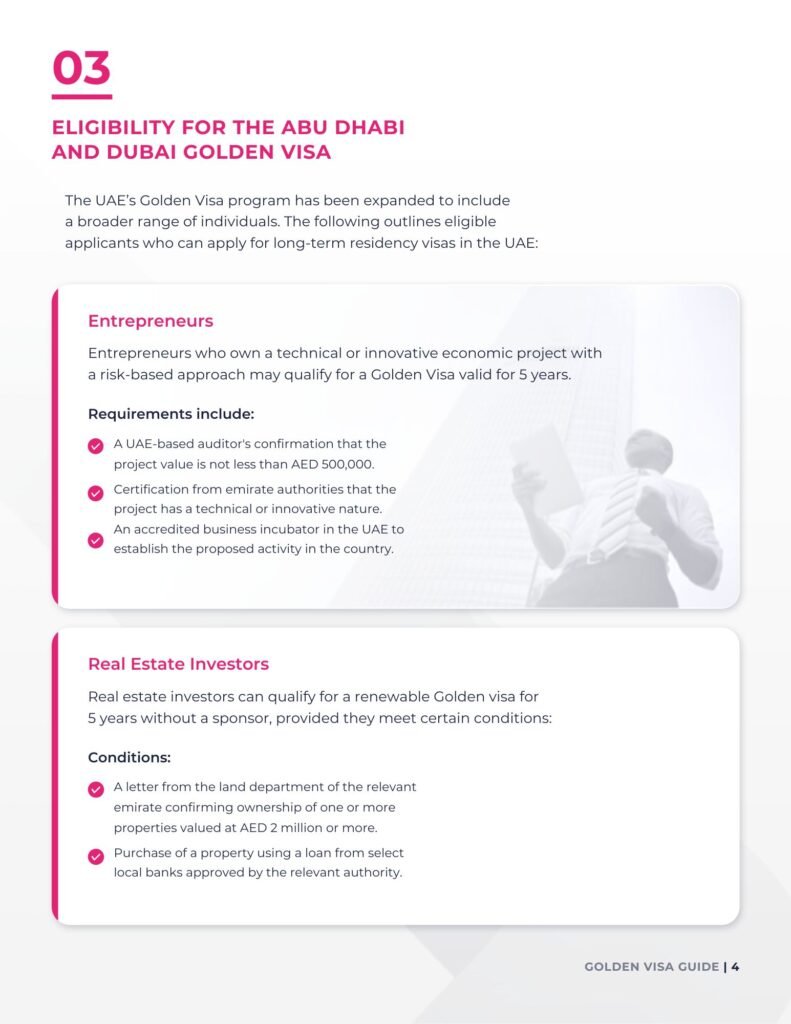
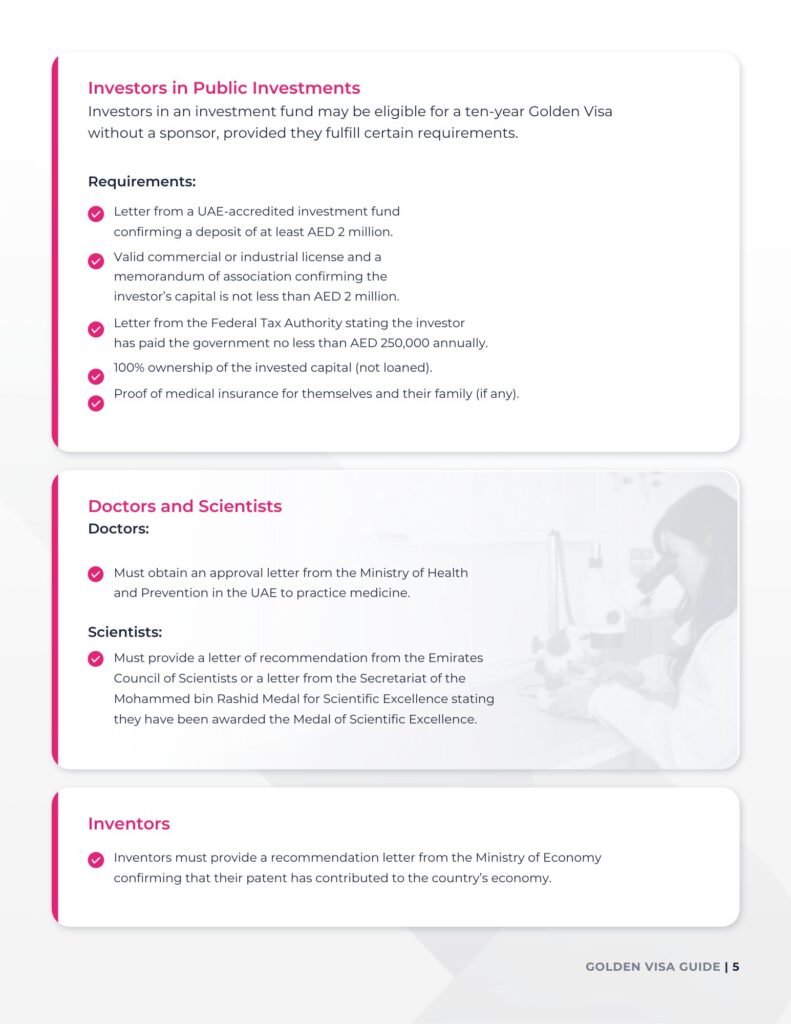
Over time, Congress has delegated limited tariff authority to the executive branch through specific statutes. These include Section 232 of the Trade Expansion Act of 1962, which allows tariffs for national security purposes, and Section 301 of the Trade Act of 1974, which permits tariffs to address unfair foreign trade practices. However, these delegations are narrowly defined and involve procedural safeguards such as investigations, findings, and formal determinations.

The International Emergency Economic Powers Act, enacted in 1977, provides the President with authority to regulate economic transactions during national emergencies involving foreign threats. However, the statute was never clearly intended to authorize broad, global tariffs imposed as taxation.

This distinction became the central legal issue in the Supreme Court’s review.

The Legal Basis for Trump’s Emergency Tariffs

Beginning in 2025, the executive branch invoked emergency economic powers to impose sweeping tariffs on imports from multiple countries. These tariffs affected industries including manufacturing, automotive production, construction materials, electronics, and consumer goods.

The justification provided by the administration centered on economic threats, supply chain vulnerabilities, and national economic security concerns. The tariffs generated massive revenue and significantly altered global trade flows.

Importers were required to pay substantial duties on foreign goods entering the United States. These costs were ultimately passed on to businesses and consumers, increasing prices and disrupting supply chains.

Multiple corporations, trade associations, and importers challenged the tariffs in federal court. They argued that the President lacked statutory authority to impose tariffs under emergency economic powers and that such actions violated constitutional principles.

The Supreme Court agreed with these arguments.

Long-Term Implications for Global Trade Law

The Supreme Court’s decision establishes a defining precedent that will shape the interpretation of executive authority in international trade for decades. By clarifying that emergency economic statutes cannot be interpreted to authorize taxation without explicit congressional approval, the Court has reaffirmed the constitutional structure governing trade regulation. This precedent will influence not only future tariff disputes but also broader questions involving executive authority in economic governance.

Future presidential actions involving tariffs will now face significantly higher levels of judicial scrutiny. Courts will require clear statutory authorization before permitting executive measures that impose financial obligations on importers or alter global trade flows. This development ensures that trade policy will increasingly be shaped through transparent legislative processes rather than unilateral executive interpretation.

Congress is also likely to assume a more central role in shaping the direction of United States trade policy. Legislators may enact new statutes clarifying tariff authority, establishing procedural safeguards, or redefining the scope of executive discretion in trade matters. This shift restores democratic accountability and ensures that decisions affecting trillions of dollars in commerce are subject to legislative oversight.

Internationally, trade law will continue evolving as governments, businesses, and courts respond to this new legal reality. Countries that rely on export-driven growth, including Bangladesh, Vietnam, India, and others, will need to monitor US legislative and judicial developments closely. Trade relationships, pricing strategies, and supply chain decisions will increasingly be influenced by legal interpretations rather than purely political considerations.

For multinational corporations, this decision underscores the importance of legal foresight and regulatory preparedness. Trade policy can no longer be viewed solely as a political risk but must also be understood as a legal risk shaped by statutory interpretation and constitutional limits. Businesses that integrate legal strategy into their operational planning will be better positioned to navigate future trade disruptions.

Legal expertise will therefore become increasingly critical in managing cross-border commercial risk. Trade compliance, tariff classification, regulatory monitoring, and dispute resolution will require sophisticated legal analysis. Companies that rely on experienced international trade counsel will be better equipped to protect their financial interests and maintain operational stability.


Strategic Legal Guidance for Businesses and Governments

Businesses affected by the invalidated tariffs should immediately conduct a comprehensive review of past import transactions to determine whether tariff refunds may be available. Many companies paid substantial duties under legal authorities that have now been declared invalid. Identifying refund eligibility and pursuing recovery through appropriate administrative or judicial channels may result in significant financial restitution.

Commercial contracts and pricing arrangements should also be carefully reassessed in light of the changed tariff environment. Many supply agreements were structured based on tariff-adjusted cost assumptions, and the removal of those tariffs may affect pricing formulas, profit margins, and contractual obligations. Legal review ensures that companies adjust their commercial arrangements without creating unintended liabilities.

Supply chain strategies must also be reevaluated to reflect the new legal landscape. Businesses that shifted production, sourcing, or logistics operations in response to emergency tariffs may now find opportunities to optimize costs and improve efficiency. Strategic restructuring of supplier relationships and manufacturing locations can enhance competitiveness in a more stable tariff environment.

Regulatory compliance procedures should be strengthened to account for the evolving nature of trade law. Companies must maintain accurate tariff classifications, documentation, and import records to ensure compliance with customs regulations and to support potential refund claims. Proactive compliance reduces exposure to future enforcement actions and protects long-term operational continuity.

Governments, particularly those in export-driven economies, must also prepare for continued evolution in US trade policy. Diplomatic engagement, trade negotiations, and economic planning should reflect the increased importance of congressional authority and judicial interpretation in shaping tariff policy. Understanding the legal foundations of US trade law is essential for maintaining stable bilateral trade relationships.

Legal counsel should be involved at every stage of strategic planning involving international trade. Trade law is no longer defined solely by executive policy announcements but increasingly by judicial interpretation and legislative clarity. Governments and corporations that integrate legal analysis into economic decision-making will be best positioned to navigate this new era of constitutionally constrained trade governance.

Refund Litigation and the Emergence of One of the Largest Financial Recovery Cycles in Trade History

One of the most immediate and financially significant consequences of the Supreme Court’s ruling is the emergence of large-scale refund litigation. Companies that paid tariffs under the invalidated emergency authority now possess a legal basis to seek recovery of those payments. Given that tariff collections under the emergency regime reached extraordinary levels, total refund exposure may exceed $175 billion.

Refund recovery is not automatic. Importers must pursue administrative claims through customs authorities and, where necessary, initiate litigation to enforce recovery rights. This process requires careful analysis of import records, tariff classifications, payment histories, and statutory timelines. Companies must demonstrate that tariffs were paid under the invalidated authority and that refund claims comply with procedural requirements.

Customs litigation is likely to increase substantially as companies seek to recover funds. The United States Court of International Trade will play a central role in adjudicating disputes arising from refund claims. Legal arguments will focus on statutory interpretation, procedural compliance, and administrative enforcement obligations.

This wave of litigation represents one of the largest potential redistributions of government-collected trade revenue in modern history. Companies that successfully recover tariffs will strengthen their financial positions, improve liquidity, and enhance competitiveness. Conversely, government agencies must manage the fiscal impact of refund obligations while maintaining operational continuity.

For multinational corporations, the ability to recover tariff payments may materially affect financial performance. Companies must coordinate legal, financial, and operational teams to identify recovery opportunities and pursue appropriate remedies.

WTO Implications and the Reinforcement of Rules-Based Global Trade

Although the Supreme Court’s decision is grounded in United States constitutional law, its implications extend into the international legal framework governing trade. The World Trade Organization operates on the principle that tariff measures must comply with established legal obligations, including transparency, predictability, and nondiscrimination.

Emergency tariffs imposed without clear statutory authority risk violating international trade commitments. By invalidating tariffs that lacked proper legal foundation, the Supreme Court has reinforced the broader principle that trade measures must be legally justified.

This development strengthens confidence in rules-based trade systems. Trading partners gain assurance that tariff policies will be subject to legal scrutiny rather than unilateral executive discretion. This predictability is essential for maintaining stable international economic relationships.

Countries engaged in trade with the United States will reassess their strategic positioning in light of this ruling. Trade negotiations, bilateral agreements, and investment decisions will increasingly reflect legal analysis alongside economic considerations.

For developing economies such as Bangladesh, the reinforcement of rules-based trade provides an opportunity to expand exports with greater confidence. Legal predictability encourages investment, facilitates trade planning, and strengthens economic growth.

Strategic Positioning of Bangladesh in the Post-Tariff Legal Environment

Bangladesh occupies a strategically important position in global manufacturing, particularly in textiles, garments, and industrial production. Access to the United States market is critical for sustaining export growth and supporting millions of jobs within Bangladesh’s industrial sector.

Emergency tariffs had introduced uncertainty and financial pressure for Bangladeshi exporters. The removal of those tariffs restores pricing stability and improves market access conditions. This development enhances Bangladesh’s competitiveness relative to other manufacturing jurisdictions.

Foreign investors evaluating manufacturing opportunities will view Bangladesh more favorably in light of improved access to the United States market. Investment decisions are heavily influenced by tariff exposure, regulatory stability, and trade predictability. The Supreme Court’s ruling contributes to a more favorable investment environment.

Bangladesh’s government must now leverage this opportunity by strengthening trade relationships, improving infrastructure, and enhancing regulatory efficiency. Legal expertise will play a crucial role in ensuring that Bangladesh maximizes its advantages in the evolving global trade environment.

Trade agreements, compliance frameworks, and dispute resolution mechanisms must be carefully managed to protect Bangladesh’s economic interests. Legal counsel ensures that trade strategies align with international legal standards and domestic economic priorities.

Executive Authority, Congressional Power, and the Restoration of Constitutional Balance

The Supreme Court’s decision represents a restoration of constitutional balance between the executive and legislative branches. By reaffirming that tariff authority must be grounded in clear statutory authorization, the Court has preserved the constitutional allocation of powers.

This balance is essential for maintaining democratic accountability. Trade policy affects national economic performance, employment, and international relations. Decisions of such magnitude must reflect legislative judgment rather than unilateral executive action.

Congress now faces renewed responsibility for shaping tariff policy. Legislative action may clarify executive authority, establish procedural safeguards, or redefine tariff mechanisms. Trade policy will increasingly reflect collaboration between branches of government.

Executive agencies must operate within clearly defined statutory limits. Administrative discretion remains important, but it cannot substitute for legislative authorization. This principle strengthens constitutional governance and protects economic stability.

The Role of Courts in Global Economic Governance

The judiciary plays a critical role in maintaining the legal integrity of economic governance. Courts ensure that government actions comply with statutory and constitutional requirements. This oversight protects individuals, businesses, and governments from unlawful regulatory action.

The Supreme Court’s decision demonstrates the judiciary’s willingness to exercise meaningful oversight over executive authority. By invalidating unlawful tariffs, the Court has reaffirmed its role as a guardian of constitutional governance.

This judicial oversight contributes to economic stability. Businesses operate more confidently when regulatory actions are subject to legal review. Investors rely on predictable legal frameworks when making long-term financial commitments.

Judicial independence strengthens economic confidence. The ability of courts to review executive action ensures that trade policy operates within established legal boundaries.

Strategic Risk Management in International Trade

International trade involves complex legal, financial, and operational risks. Tariff policies can change rapidly, affecting profitability, supply chain stability, and investment decisions. Effective risk management requires integrating legal analysis into strategic planning.

Companies must monitor regulatory developments continuously. Legal expertise enables businesses to anticipate changes, adapt strategies, and protect financial interests.

Trade compliance programs must be robust and comprehensive. Accurate documentation, tariff classification, and regulatory reporting reduce exposure to enforcement actions.

Contractual arrangements must account for regulatory risk. Pricing mechanisms, force majeure provisions, and regulatory adjustment clauses provide protection against unexpected tariff changes.

Legal counsel plays a central role in managing these risks. Experienced trade lawyers provide strategic guidance, represent clients in disputes, and ensure compliance with regulatory requirements.

Global Investment and Capital Flow Implications

Trade policy directly influences global investment flows. Investors prefer jurisdictions that offer stable regulatory environments and predictable trade relationships. The Supreme Court’s decision contributes to restoring confidence in the legal framework governing trade.

Investment decisions involve long-term commitments involving infrastructure, workforce development, and supply chain integration. Legal stability is essential for supporting these investments.

Countries that demonstrate strong legal institutions attract greater foreign investment. Bangladesh, with its growing manufacturing sector and improving legal infrastructure, stands to benefit from increased investor confidence.

Financial institutions must also adapt to evolving trade law. Trade finance, export credit, and investment structuring require careful legal analysis. Legal certainty enhances financial system stability and supports economic growth.

Long-Term Structural Transformation of Trade Governance

The Supreme Court’s ruling represents a structural transformation in trade governance. Executive authority remains important, but it must operate within clearly defined legal boundaries. Congressional authorization and judicial oversight now play more prominent roles in shaping trade policy.

This transformation enhances legal predictability while preserving flexibility. Trade policy will continue evolving, but changes will occur within established legal frameworks.

Businesses must recognize that trade law is not static. Legal interpretation, legislative action, and international developments continuously shape the regulatory environment.

Companies that integrate legal expertise into strategic planning will be better positioned to succeed. Legal awareness enables proactive adaptation to regulatory changes.

Governments must also invest in legal capacity. Trade negotiation, dispute resolution, and regulatory compliance require sophisticated legal expertise.

Tahmidur Remura Wahid (TRW) Law Firm continues to advise clients across jurisdictions on trade law, regulatory compliance, and international dispute resolution. Our expertise ensures that clients navigate complex trade environments effectively while protecting their commercial interests.

The Emerging Era of Constitutionally Constrained Trade Policy

This decision marks the beginning of a new era in global trade governance. Trade policy will increasingly be shaped by constitutional principles, statutory interpretation, and judicial oversight.

Executive authority remains an important tool, but it cannot substitute for legislative authorization. This balance strengthens democratic governance and protects economic stability.

Global businesses, governments, and investors must adapt to this evolving legal environment. Legal expertise, strategic planning, and regulatory awareness will define success in the future global economy.

The Supreme Court’s ruling ensures that trade policy operates within the rule of law. This development strengthens the legal foundation of global commerce and promotes long-term economic stability.

Refund Litigation and the Emergence of One of the Largest Trade Recovery Processes in History

One of the most immediate and financially significant consequences of the Supreme Court’s ruling is the potential recovery of tariffs already paid by importers. Over the period during which emergency tariffs were enforced, US importers paid an estimated $175 billion or more in duties. These payments were treated as lawful government revenue at the time, but the Court’s decision now establishes that tariffs imposed under the invalidated authority lacked proper legal foundation.

This creates the basis for refund claims on an unprecedented scale. Importers that paid tariffs may now seek recovery through administrative refund procedures administered by US Customs and Border Protection or through litigation in federal courts. The refund process itself is likely to be complex, involving documentation requirements, statutory interpretation, procedural timelines, and evidentiary standards.

Not all refunds will be automatic. Companies must demonstrate that tariffs were paid under the specific statutory authority invalidated by the Court. Importers must identify relevant entries, maintain customs documentation, and comply with administrative procedures. Failure to meet procedural requirements may limit recovery, even if tariffs were unlawfully imposed.

Major multinational corporations, including manufacturers, retailers, automotive companies, and industrial suppliers, are already preparing refund claims. Legal teams are conducting detailed audits of customs payments, reviewing import records, and identifying eligible transactions. Law firms specializing in international trade litigation expect a surge in refund-related disputes over the coming years.

This process will also affect government fiscal planning. Tariff revenue had been incorporated into federal budget projections. Refund obligations may require adjustments to fiscal policy and government spending projections. This introduces additional economic implications beyond the immediate trade environment.

For exporters in Bangladesh and other manufacturing jurisdictions, the refund process may indirectly improve demand conditions. Importers recovering tariff payments may reinvest those funds into inventory expansion, manufacturing partnerships, and supply chain growth. This can stimulate trade volumes and increase export opportunities.

Interaction with International Trade Law and the World Trade Organization Framework

Although the Supreme Court’s decision is based on domestic constitutional law, its implications extend into international trade law, including the framework governed by the World Trade Organization. The WTO establishes global rules governing tariff imposition, non-discrimination, and trade fairness. Member countries agree to adhere to tariff schedules and dispute resolution mechanisms designed to promote stability and predictability.

Emergency tariffs imposed without clear statutory authority had already raised concerns among trading partners regarding compliance with international obligations. While domestic courts cannot directly enforce WTO rules, domestic legal rulings influence international compliance by shaping the legal validity of trade measures.

The Supreme Court’s decision strengthens the credibility of the United States as a rule-based trading partner. It demonstrates that domestic legal institutions provide meaningful checks on executive authority. This reinforces confidence among international trading partners and reduces the risk of retaliatory trade measures.

Global trade relationships depend heavily on legal predictability. When trade partners believe that tariff policies are subject to constitutional and judicial oversight, they are more likely to maintain stable trade relationships. This promotes global economic stability and reduces the risk of escalating trade conflicts.

For Bangladesh, which relies heavily on access to international markets, a stable global trade environment is essential. Bangladesh’s garment sector, which accounts for a significant portion of national exports, benefits when major trading partners operate within predictable legal frameworks. Legal stability in US trade policy supports continued export growth and strengthens Bangladesh’s position in global supply chains.

Strategic Repositioning of Manufacturing and Investment Flows

Tariffs influence global manufacturing decisions by altering relative production costs. When tariffs increase, companies may shift production to jurisdictions with more favorable trade access. Conversely, when tariffs are removed, companies may reconsider those decisions.

The invalidation of emergency tariffs may encourage companies to expand production partnerships in countries like Bangladesh, where manufacturing costs remain competitive. Bangladesh offers advantages including a skilled workforce, established textile infrastructure, and experience serving global markets.

Foreign investors evaluating manufacturing locations consider legal stability as a key factor. The Supreme Court’s decision reduces uncertainty regarding tariff policy, making export-oriented manufacturing more predictable. Investors are more likely to commit capital when they can rely on stable trade conditions.

Bangladesh may experience increased foreign direct investment in sectors including textiles, footwear, light manufacturing, and consumer goods production. This investment supports economic growth, job creation, and industrial development.

Shipping and logistics infrastructure will also benefit. Increased export volumes require expanded port capacity, transportation networks, and logistics services. Maritime operators, freight forwarders, and port authorities may experience increased demand.

Bangladesh’s strategic location along major shipping routes enhances its attractiveness as a manufacturing and export hub. Improved trade conditions strengthen Bangladesh’s integration into global supply chains.

Congressional Authority and the Potential for Legislative Response

The Supreme Court’s ruling places renewed emphasis on Congress’s constitutional authority over tariffs. Legislators may respond by enacting new statutes clarifying executive authority or establishing new procedural frameworks for tariff implementation.

Congress may seek to balance flexibility and accountability. Trade policy often requires rapid response to evolving economic conditions, but constitutional safeguards require legislative oversight. New legislation may establish clearer standards governing when and how tariffs may be imposed.

Congressional action may also address refund procedures, compliance requirements, and future tariff authority. Legislative clarification reduces uncertainty and provides guidance to businesses and regulators.

Trade policy debates within Congress reflect broader economic priorities, including domestic industry protection, international competitiveness, and consumer price stability. Legislative decisions will shape the future of US trade relationships and global economic dynamics.

Businesses must monitor legislative developments closely. Changes in tariff authority may affect supply chain strategies, pricing models, and investment decisions.

Legal counsel plays a critical role in interpreting legislative developments and advising businesses on compliance and strategic planning.

Judicial Precedent and the Expansion of Legal Oversight in Economic Governance

The Supreme Court’s decision establishes an important precedent regarding statutory interpretation and executive authority. Courts are likely to apply similar reasoning when reviewing future executive actions involving economic regulation.

The Major Questions Doctrine, which played a central role in this decision, is expected to influence future cases involving regulatory authority. This doctrine requires clear congressional authorization for executive actions involving significant economic consequences.

Executive agencies must ensure that regulatory actions fall within statutory authority. Failure to comply with statutory limits increases the risk of judicial invalidation.

This judicial oversight enhances legal stability by ensuring that economic policy is grounded in law rather than administrative discretion. Businesses benefit from predictable legal frameworks that support long-term planning.

Courts will continue playing a central role in shaping the legal boundaries of economic governance.

Strategic Legal Positioning for Corporations and Exporters

Companies involved in international trade must adopt proactive legal strategies to navigate the evolving regulatory environment. This includes reviewing customs documentation, identifying refund opportunities, and ensuring compliance with tariff classification requirements.

Companies should also evaluate contractual arrangements affected by tariff changes. Pricing formulas, supply agreements, and manufacturing contracts may require revision to reflect the new legal landscape.

Supply chain diversification remains important, but companies may now prioritize efficiency alongside resilience. Legal risk assessment must be integrated into operational planning.

Exporters in Bangladesh should strengthen compliance with international trade documentation requirements. Accurate documentation supports efficient customs processing and protects against regulatory disputes.

Companies that integrate legal expertise into business strategy gain competitive advantage. Legal analysis enables companies to anticipate regulatory changes and adapt proactively.

Long-Term Structural Transformation of Global Trade Governance

The Supreme Court’s decision reflects a broader structural shift in global economic governance. Trade policy is increasingly shaped by legal institutions rather than unilateral executive action.

This shift enhances legal predictability and strengthens investor confidence. Businesses prefer stable regulatory environments that support long-term planning.

Governments must balance economic flexibility with constitutional accountability. Legal frameworks ensure that economic policy reflects democratic governance.

Global trade will continue evolving in response to economic, political, and legal developments. Businesses that understand these dynamics will be best positioned to succeed.

Tahmidur Remura Wahid (TRW) Law Firm advises multinational corporations, exporters, financial institutions, and governments on international trade law, regulatory compliance, and cross-border dispute resolution. Our expertise enables clients to navigate complex legal environments and protect their economic interests in an increasingly regulated global economy.

Bangladesh Shipping Corporation’s Strategic Bulk Carrier Acquisition

Bangladesh Shipping Corporation’s Strategic Bulk Carrier Acquisition

How Tahmidur Remura Wahid (TRW) Law Firm Helped Deliver Bangladesh Shipping Corporation’s Strategic Bulk Carrier Acquisition from Hellenic Dry Bulk Ventures

Strengthening Bangladesh’s Maritime Sovereignty Through Complex Cross-Border Vessel Acquisition

Bangladesh’s maritime sector represents one of the most strategically vital pillars of its economic independence and global trade connectivity. With over 90 percent of Bangladesh’s international trade transported by sea, the strength, modernity, and reliability of its national shipping fleet directly determine the country’s capacity to maintain uninterrupted supply chains, stabilize import costs, and secure export competitiveness.

Against this backdrop, Bangladesh Shipping Corporation (BSC), the country’s state-owned national carrier, undertook one of its most significant fleet expansion initiatives in recent history through the acquisition of two modern bulk carrier vessels from Hellenic Dry Bulk Ventures LLC, a prominent United States-based shipping company. Each vessel, with a carrying capacity exceeding 63,500 deadweight tonnes, represents a major leap forward in enhancing Bangladesh’s maritime operational capacity.

This high-value, cross-border transaction involved multiple jurisdictions, sophisticated maritime legal frameworks, international financing structures, complex regulatory approvals, and intricate closing mechanics coordinated across Bangladesh, the United Kingdom, the United States, and Greece.

Tahmidur Remura Wahid (TRW) Law Firm played a central and indispensable role in advising Bangladesh Shipping Corporation on all Bangladesh-specific legal, regulatory, sovereign, maritime, and operational aspects of the acquisition, working alongside international counsel Stephenson Harwood LLP, which advised the seller, Hellenic Dry Bulk Ventures LLC.

TRW’s role extended far beyond routine legal support. The firm acted as the primary legal architect within Bangladesh, ensuring that every aspect of the acquisition complied fully with Bangladesh’s maritime laws, sovereign regulatory frameworks, financial regulations, public sector governance requirements, and international maritime conventions applicable to state-owned vessels.

This transaction stands as a landmark achievement in Bangladesh’s maritime modernization and demonstrates TRW Law Firm’s capability to operate at the highest levels of international maritime law, sovereign shipping transactions, and cross-border asset acquisitions.

Screenshot 2026 02 19 at 1.08.27 PM

Bangladesh Shipping Corporation and the Strategic Imperative of Fleet Expansion

The National Carrier’s Role in Bangladesh’s Economic Security

Bangladesh Shipping Corporation, established in 1972, serves as the country’s national maritime carrier and plays a critical role in transporting essential commodities including:

• Crude oil
• Refined petroleum products
• Fertilizer
• Food grains
• Industrial raw materials
• Export cargo

The corporation’s fleet is not merely a commercial enterprise but a strategic national asset. It enables Bangladesh to maintain supply chain resilience, reduce dependence on foreign shipping operators, and exercise sovereign control over maritime transport infrastructure.

Historically, Bangladesh has faced challenges arising from limited domestic fleet capacity, including:

• Exposure to volatile international freight rates
• Limited availability of vessels during global shipping crises
• Increased foreign currency outflows
• Reduced national shipping competitiveness

Recognizing these vulnerabilities, BSC embarked on a fleet modernization strategy aimed at acquiring newer, larger, and more efficient vessels capable of competing globally while strengthening national maritime autonomy.

Transaction Overview: Sale of Bulk Carrier Vessels by Hellenic Dry Bulk Ventures

Key Transaction Parameters

The acquisition involved the purchase of two modern bulk carriers from Hellenic Dry Bulk Ventures LLC, a United States-based shipping company with significant global operations.

Key technical characteristics included:

• Deadweight capacity exceeding 63,500 tonnes per vessel
• Modern navigation and propulsion systems
• Compliance with International Maritime Organization environmental regulations
• High operational efficiency and fuel optimization
• Long operational lifespan

Delivery milestones included:

• First vessel delivery completed in October 2025
• Second vessel delivery completed in January 2026
• Closing meeting held at Stephenson Harwood LLP’s London office

This transaction involved extensive legal coordination across multiple jurisdictions, including vessel registration, ownership transfer, regulatory approvals, financing compliance, and sovereign operational integration.

TRW Law Firm’s Role as Bangladesh Counsel to Bangladesh Shipping Corporation

TRW Law Firm served as Bangladesh Shipping Corporation’s primary legal counsel for all Bangladesh-specific aspects of the acquisition. The firm’s role encompassed sovereign advisory, regulatory compliance, vessel registration, financial structuring support, and operational legal integration.

TRW’s involvement ensured that Bangladesh Shipping Corporation was able to acquire the vessels efficiently, lawfully, and securely while protecting national interests and ensuring full compliance with domestic and international maritime laws.

Structuring the Transaction Within Bangladesh’s Sovereign Legal Framework

Navigating Public Sector Acquisition Requirements

Because Bangladesh Shipping Corporation is a state-owned enterprise, the acquisition was subject to strict public sector regulatory and governance requirements.

TRW Law Firm advised BSC on:

• Compliance with Bangladesh public procurement frameworks
• Sovereign asset acquisition approvals
• Government authorization protocols
• Internal corporate governance procedures
• Board resolutions and sovereign ownership documentation

TRW ensured that the acquisition structure aligned fully with Bangladesh’s public sector governance obligations while maintaining transaction efficiency.

Vessel Registration and Flag State Integration

Registering the Vessels Under Bangladesh Flag

One of the most critical components of the acquisition involved ensuring the vessels could be properly registered under Bangladesh’s flag and integrated into the national registry.

TRW Law Firm advised on:

• Bangladesh Merchant Shipping Ordinance compliance
• Ship registration documentation
• Ownership transfer recording
• Flag state transition procedures
• Maritime registry coordination

TRW worked closely with Bangladesh’s maritime authorities to ensure seamless vessel registration and operational integration.

Coordination With International Counsel and Cross-Border Legal Teams

Multi-Jurisdictional Legal Coordination

This transaction involved multiple legal advisors across different jurisdictions. Stephenson Harwood LLP acted for Hellenic Dry Bulk Ventures LLC, while TRW Law Firm served as Bangladesh counsel for BSC.

TRW coordinated closely with international counsel to ensure:

• Harmonization of transaction documentation
• Alignment between Bangladesh law and English law governed agreements
• Consistency in ownership transfer documentation
• Compliance with cross-border legal requirements

This coordination ensured that legal risks were minimized and that the transaction proceeded smoothly.

Regulatory Compliance With Bangladesh Bank and Foreign Exchange Laws

Managing Foreign Currency Payments and Sovereign Financial Compliance

The acquisition involved significant foreign currency payments to an overseas seller. TRW Law Firm advised Bangladesh Shipping Corporation on compliance with Bangladesh Bank regulations governing:

• Outbound foreign currency payments
• Cross-border asset acquisition approvals
• Foreign exchange regulatory compliance
• Payment structuring requirements

TRW ensured that all payment mechanisms complied fully with Bangladesh’s financial regulatory framework.

Drafting and Negotiation of Bangladesh-Specific Transaction Documentation

TRW Law Firm prepared and reviewed numerous transaction documents to ensure compliance with Bangladesh law and protection of BSC’s interests.

These included:

• Board resolutions
• Government approval documentation
• Sovereign ownership declarations
• Vessel registry filings
• Operational authorization documentation

TRW ensured all documents reflected Bangladesh’s legal requirements accurately.

Managing Delivery and Closing Procedures

Legal Coordination During Vessel Delivery

TRW Law Firm advised Bangladesh Shipping Corporation during vessel delivery and closing procedures.

This included:

• Review of delivery documentation
• Legal verification of ownership transfer
• Coordination with international closing teams
• Ensuring compliance with Bangladesh law

TRW ensured the delivery process was completed efficiently and lawfully.

gi 760295321 suspension bridge vanishing point 2

Protecting Bangladesh Shipping Corporation’s Long-Term Legal Interests

TRW Law Firm’s role extended beyond closing to ensuring long-term legal security for BSC.

This included:

• Ensuring clean ownership title
• Protecting against future legal disputes
• Ensuring enforceability of transaction agreements
• Supporting operational integration

TRW’s involvement ensured long-term legal stability.


Supporting Bangladesh’s Strategic Maritime Expansion Vision

This acquisition supports Bangladesh’s broader maritime strategy, including:

• Increasing national fleet capacity
• Enhancing maritime independence
• Strengthening global trade competitiveness
• Supporting economic growth

TRW Law Firm’s role contributed directly to these national objectives.

Demonstrating TRW Law Firm’s Maritime and Sovereign Transaction Expertise

This transaction highlights TRW Law Firm’s expertise in:

• Maritime law
• Sovereign asset acquisitions
• Cross-border transactions
• Shipping finance and regulation
• International legal coordination

TRW continues to operate at the highest level of international maritime legal practice.

Strategic Impact on Bangladesh’s Maritime Future

The successful acquisition of these vessels represents a major milestone in Bangladesh’s maritime modernization.

It strengthens:

• National shipping capacity
• Trade resilience
• Economic independence

TRW Law Firm is proud to have played a central role in enabling this historic transaction.

Transaction Summary Table

CategoryDetails
Transaction TypeCross-border vessel acquisition
BuyerBangladesh Shipping Corporation
SellerHellenic Dry Bulk Ventures LLC
Vessel Capacity63,500+ deadweight tonnes each
Delivery DatesOctober 2025 and January 2026
Seller CounselStephenson Harwood LLP
Buyer Bangladesh CounselTahmidur Remura Wahid (TRW) Law Firm
JurisdictionsBangladesh, UK, USA, Greece
TRW RoleBangladesh counsel to BSC
Key ServicesRegulatory compliance, vessel registration, sovereign approvals, transaction support

TRW Law Firm’s Continuing Leadership in Maritime Transactions

This landmark acquisition demonstrates Tahmidur Remura Wahid (TRW) Law Firm’s ability to advise on highly complex, high-value international maritime transactions involving sovereign entities.

TRW continues to serve as Bangladesh’s premier maritime legal advisor, supporting national shipping expansion and enabling Bangladesh’s continued growth as a global maritime nation.


Tahmidur Remura Wahid (TRW) Law Firm
Dhaka Office: House 410, Road 29, Mohakhali DOHS, Dhaka, Bangladesh
London Office: 330 High Holborn, London WC1V 7QH, United Kingdom
Dubai Office: Rolex Building, Sheikh Zayed Road, Dubai

Contact:
+8801708000660
+8801847220062
+8801708080817

Email:
[email protected]
[email protected]

বাংলাদেশে জমি দখল মামলা: আইনগত দিক, প্রতিকার ও TRW Law Firm-এর পরামর্শ

বাংলাদেশে জমি দখল মামলা: আইনগত দিক, প্রতিকার ও TRW Law Firm-এর পরামর্শ

ভূমিকা

বাংলাদেশে জমি দখলের ঘটনা একটি প্রচলিত ও জটিল সমস্যা। প্রতিনিয়ত অনেক ব্যক্তি ও পরিবার তাদের স্বত্বভোগী জমি থেকে উচ্ছেদ হন কিংবা জোরপূর্বক দখলের শিকার হন। জমির প্রকৃত মালিক হয়েও অনেককে বছরের পর বছর আদালতের দ্বারে ঘুরতে হয়।

TRW Law Firm দীর্ঘদিন ধরে বাংলাদেশে জমি দখল সংক্রান্ত মামলা পরিচালনায় অগ্রণী ভূমিকা রেখে আসছে। আমাদের অভিজ্ঞতা বলছে—জমি দখলের বিরুদ্ধে প্রতিকার পাওয়ার জন্য প্রয়োজন সঠিক আইনি ব্যবস্থা গ্রহণ, প্রমাণ সংগ্রহ ও দক্ষ আইনজীবীর সহায়তা।


🧭 জমি দখল বলতে কী বোঝায়?

জমি দখল বলতে বুঝায়, কারো অনুমতি বা বৈধ মালিকানার স্বীকৃতি ছাড়াই অন্য কেউ অবৈধভাবে ওই জমিতে প্রবেশ করে এবং সেখানে অবস্থান করে বা নির্মাণকাজ শুরু করে। এটি অনেক সময় সহিংসতা, হুমকি বা প্রতারণার মাধ্যমে ঘটে।


📜 জমি দখলের বিরুদ্ধে প্রচলিত আইনসমূহ

বাংলাদেশে জমি দখলের বিরুদ্ধে বেশ কিছু আইন প্রযোজ্য হয়, যেমন:

  • দণ্ডবিধি, ১৮৬০ (Penal Code):
    • ধারা ৪৪১: অপরাধমূলক অনুপ্রবেশ
    • ধারা ৪৪৭: Trespass বা বেআইনি অনুপ্রবেশ
    • ধারা ৫০৬: ভয়ভীতি দেখানো
    • ধারা ৪২০: প্রতারণা
  • সিভিল প্রসিডিউর কোড, ১৯০৮ (CPC):
    • ধারা ৯: দেওয়ানি আদালতের এখতিয়ার
    • ধারা ৩৪ ও ৩৫: ক্ষতিপূরণ আদায়
    • ধারা ৩৯: ঘোষণামূলক মামলা
    • ধারা ১৪২: দখল পুনরুদ্ধার
  • ক্রিমিনাল প্রসিডিউর কোড, ১৮৯৮ (CrPC):
    • ধারা ১৪৫: দখল নিয়ে বিরোধ থাকলে ম্যাজিস্ট্রেটের হস্তক্ষেপ
    • ধারা ১৪৪: নিষেধাজ্ঞা জারি
  • Transfer of Property Act, ১৮৮২:
    • বেআইনি হস্তান্তর ও মালিকানার আইনগত ব্যাখ্যা

⚠️ জমি দখলের ধরনসমূহ

ধরণব্যাখ্যা
❌ সরাসরি জবরদখলসশস্ত্র বা সংঘবদ্ধ দল জমি দখল করে নেয়
❌ দালান নির্মাণঅবৈধভাবে প্রাচীর বা দালান নির্মাণ করে জমি দখল
❌ ভুয়া দলিলপ্রতারণার মাধ্যমে ভুয়া রেজিস্ট্রি বা নামজারি করে জমি দখল
❌ প্রভাব খাটিয়ে দখলরাজনৈতিক বা প্রশাসনিক ক্ষমতা ব্যবহার করে জমি দখল
❌ উত্তরাধিকার সূত্রে ভুলভাবে দখলপরিবারের এক বা একাধিক সদস্য অন্যদের অংশ দখল করে নেয়

🔍 জমি দখলের ক্ষেত্রে করণীয়

TRW Law Firm জমি দখল প্রতিরোধ ও প্রতিকারে নিচের ধাপে আইনি সহায়তা প্রদান করে থাকে:

ধাপ ১: মালিকানার কাগজপত্র যাচাই

  • মৌলিক দলিল (Sale Deed, Partition Deed, Gift Deed)
  • খতিয়ান, পর্চা ও নামজারি সনদ
  • খাজনার রশিদ ও মৌজা ম্যাপ

ধাপ ২: প্রাথমিক অভিযোগ দায়ের

  • স্থানীয় থানায় জিডি (General Diary)
  • জমি দখলের তারিখ, সময় ও সাক্ষীর তথ্য অন্তর্ভুক্ত

ধাপ ৩: নিষেধাজ্ঞা ও অস্থায়ী আদেশ (Temporary Injunction)

  • সিভিল কোর্টে জমি দখলের বিরুদ্ধে মামলা দায়ের
  • আদালতের মাধ্যমে Status Quo আদায়

ধাপ ৪: Possession Recovery মামলা

  • সিভিল কোর্টে ধারা ১৪২ CPC অনুযায়ী দখল পুনরুদ্ধারের মামলা
  • ম্যাজিস্ট্রেট কোর্টে ধারা ১৪৫ অনুযায়ী প্রাথমিক দখল নির্ধারণের আবেদন

ধাপ ৫: ফৌজদারি মামলা

  • দণ্ডবিধি অনুযায়ী অনুপ্রবেশ, ভয়ভীতি, প্রতারণার অভিযোগ

ধাপ ৬: চূড়ান্ত নিষ্পত্তি

  • জমির দখল নিশ্চিতকরণে ডিক্লারেটরি ডিক্রি
  • রায় কার্যকরের জন্য আদালতের সহায়তা (Execution Case)

👨‍⚖️ TRW Law Firm কীভাবে সহায়তা করে?

আমরা জমি দখল সংক্রান্ত সকল আইনি কার্যক্রমে ক্লায়েন্টকে নিচের সেবাগুলো দিয়ে থাকি:

  • জমির মালিকানা যাচাই ও Legal Opinion
  • কোর্টে দ্রুত Injunction আদেশ সংগ্রহ
  • CRPC ও CPC অনুযায়ী মামলা পরিচালনা
  • পুলিশি সহযোগিতা প্রাপ্তিতে আইনি চিঠি
  • ভূমি অফিসে রেকর্ড সংশোধন
  • আপিল, রিভিশন ও রিট মামলা পরিচালনা

📁 প্রয়োজনীয় দলিল ও প্রমাণাদি

যে কোনো জমি দখল মামলার ক্ষেত্রে নিম্নোক্ত দলিল ও প্রমাণাদি অপরিহার্য:

  • রেজিস্টার্ড দলিল ও খতিয়ান
  • হালনাগাদ নামজারি ও খাজনার রশিদ
  • জমি দখলের ছবি বা ভিডিও
  • প্রতিবেশীর সাক্ষ্য
  • জিডি/থানায় অভিযোগ কপি
  • দখলকারী পক্ষের পরিচয় বা দলিল (যদি থাকে)
adobestock 268835875 flowers

🧾 আদালতে জমি দখল মামলার নমুনা আবেদন

শিরোনাম: Possession Recovery ও Injunction আবেদন
ধারা: CPC ধারা ৩৯, ৩৪ ও ১৪২
প্রার্থনা:
১। বিবাদীদের জমি থেকে উচ্ছেদপূর্বক দখল ফিরিয়ে দেওয়ার আদেশ
২। আদালত থেকে অস্থায়ী নিষেধাজ্ঞা জারি করা হোক
৩। ক্ষতিপূরণ বাবদ টাকা আদায়ের অনুমতি প্রদান


🚨 আপনি কি নিম্নোক্ত সমস্যায় আছেন?

  • আপনার জমি দখল করে দালান তৈরি করা হয়েছে?
  • ভুয়া কাগজ তৈরি করে আপনার জমি হস্তান্তর করা হয়েছে?
  • পারিবারিক জমিতে আপনার অংশ জোরপূর্বক আত্মসাৎ করা হয়েছে?
  • আপনি থানায় গিয়েও কোন সহায়তা পাচ্ছেন না?

👉 TRW Law Firm এসব সমস্যার জন্য দক্ষ ও অভিজ্ঞ আইনজীবীর সহায়তায় দ্রুত সমাধান দিতে প্রস্তুত।


🏛️ জমি দখল মামলা ও উচ্চ আদালতের দৃষ্টিভঙ্গি

বাংলাদেশ সুপ্রিম কোর্টের বহু রায়ে জমি দখল সংক্রান্ত মামলায় ন্যায্য মালিককে দখল পুনরুদ্ধার করার আদেশ প্রদান করা হয়েছে।

📌 রেফারেন্স কেস উদাহরণ (নাম পরিবর্তিত):
“Mr. Rahim vs Mr. Karim” – আদালত বলেছেন, “যদি প্রকৃত মালিক প্রমাণ করতে পারেন যে তিনি বৈধ মালিক এবং তার দখল জোরপূর্বক ছিনিয়ে নেওয়া হয়েছে, তবে তাকে দখল ফিরিয়ে দেওয়ার পূর্ণ অধিকার রয়েছে।”


📊 সংক্ষিপ্ত টেবিল: জমি দখল মামলার ধাপসমূহ

ধাপকাজের বিবরণ
✅ দলিল যাচাইমালিকানা দলিল, খতিয়ান, পর্চা ও খাজনা যাচাই
✅ জিডি/অভিযোগথানায় অভিযোগ ও পুলিশ রিপোর্ট
✅ সিভিল মামলাPossession Recovery, Injunction মামলা
✅ ফৌজদারি মামলাঅনুপ্রবেশ, প্রতারণা, ভয়ভীতির অভিযোগ
✅ আদালতের আদেশStatus Quo, Injunction, Possession Order
✅ দখল নিশ্চিতকরণকোর্টের সহায়তায় জমির নিয়ন্ত্রণ ফিরে পাওয়া

📞 যোগাযোগ করুন TRW Law Firm-এর সঙ্গে

আপনি যদি জমি দখলের সমস্যায় পড়েন, দেরি না করে এখনই আমাদের সঙ্গে যোগাযোগ করুন।

যোগাযোগ নম্বর:
📱 +8801708000660
📱 +8801847220062
📱 +8801708080817

ইমেইল করুন:
📧 [email protected]
📧 [email protected]
📧 [email protected]

অফিস লোকেশন:
📍 ঢাকা: হাউস ৪১০, রোড ২৯, মোহাখালী DOHS
📍 দুবাই: রোলেক্স বিল্ডিং, এল-১২ শেখ জায়েদ রোড


🔚 উপসংহার

জমি আপনার জীবনের সঞ্চয়। এটি রক্ষা করতে না পারলে আপনি শুধু অর্থনৈতিকভাবে নয়, মানসিকভাবেও ক্ষতিগ্রস্ত হবেন। TRW Law Firm আপনার জমির নিরাপত্তার প্রহরী হয়ে কাজ করে—সঠিক আইন প্রয়োগ, প্রমাণ উপস্থাপন এবং বিচারপ্রাপ্তি নিশ্চিত করতে আমরা সবসময় প্রস্তুত।


আপনি কি আপনার জমি রক্ষা করতে প্রস্তুত?
আমরা TRW Law Firm — আছি আপনার পাশে, প্রতিটি ইঞ্চি রক্ষায়!

Landmark Acquisition of Bulk Carriers BANGLAR PROGOTI and BANGLAR NAVJATRA

Landmark Acquisition of Bulk Carriers BANGLAR PROGOTI and BANGLAR NAVJATRA

Landmark Acquisition of Bulk Carriers BANGLAR PROGOTI and BANGLAR NAVJATRA

Tahmidur Remura Wahid (TRW) Law Firm Collaborates with HFW on Bangladesh Shipping Corporation’s Landmark Acquisition of Bulk Carriers BANGLAR PROGOTI and BANGLAR NAVJATRA

Dhaka, Bangladesh / London, United Kingdom — Tahmidur Remura Wahid (TRW) Law Firm is proud to announce its collaboration with global maritime law firm HFW in advising Bangladesh Shipping Corporation (BSC) on the acquisition and integration of two 63,000+ deadweight tonnage (DWT) newbuild bulk carriers, now formally commissioned as BANGLAR PROGOTI and BANGLAR NAVJATRA. These acquisitions represent a transformative milestone in Bangladesh’s maritime infrastructure development and underscore the country’s strategic commitment to modernising its national fleet and strengthening its global shipping capabilities.The vessels were acquired from Hellenic Dry Bulk Ventures LLC as part of BSC’s ongoing fleet renewal and expansion programme, designed to enhance cargo capacity, improve operational efficiency, and reinforce Bangladesh’s competitiveness in global maritime trade.TRW Law Firm worked in close coordination with HFW’s international shipping team, contributing critical Bangladesh law expertise, regulatory advisory, and local transaction structuring support to ensure seamless execution of these complex, multi-jurisdictional maritime acquisitions.


Strategic Importance for Bangladesh’s Maritime Sector

The addition of BANGLAR PROGOTI and BANGLAR NAVJATRA represents a pivotal development for Bangladesh’s maritime economy. Bulk carriers of this scale and modern specification enable Bangladesh Shipping Corporation to significantly enhance its cargo-handling capacity across critical trade routes, particularly in transporting commodities such as coal, clinker, grain, and industrial raw materials.These vessels strengthen Bangladesh’s sovereign shipping capacity, reduce reliance on foreign carriers, and improve national control over essential trade logistics. The acquisitions also align with Bangladesh’s long-term strategic vision of building a modern, resilient, and internationally competitive maritime fleet capable of supporting the country’s continued economic growth.TRW Law Firm’s involvement ensured that all Bangladesh-specific legal, regulatory, and compliance aspects of the transaction were properly structured and implemented, reflecting the firm’s leadership in maritime and admiralty law.


TRW Law Firm’s Role in the Transaction

Tahmidur Remura Wahid (TRW) Law Firm provided comprehensive Bangladesh law support across multiple dimensions of the acquisition, including:• Advising on Bangladesh Shipping Corporation’s statutory powers and corporate approvals under Bangladesh law• Supporting regulatory compliance with Bangladesh maritime, shipping, and corporate governance frameworks• Reviewing and advising on transaction documentation from a Bangladesh legal perspective• Coordinating with government authorities and regulatory stakeholders where required• Ensuring compliance with Bangladesh Shipping Corporation’s public sector governance and procurement structures• Supporting vessel registration, flagging, and operational integration under Bangladesh jurisdiction• Advising on risk allocation, liability frameworks, and regulatory exposure within BangladeshTRW Law Firm’s involvement ensured that the transaction fully complied with Bangladesh’s legal and regulatory framework while aligning with international maritime transactional standards.The firm’s maritime and admiralty team worked closely with HFW’s international shipping specialists, demonstrating seamless collaboration between domestic and global legal counsel in executing high-value, cross-border shipping transactions.


Collaboration with HFW’s Global Maritime Practice

underwater mines in sea. bombs surfaced near cargo ship photo.jpg


HFW, one of the world’s leading shipping and maritime law firms, led the international legal aspects of the acquisition. Their team was headed by Partner Gudmund Bernitz, with support from Associates Zain Kazmi and Christopher Mayhill.The combined efforts of HFW and TRW Law Firm ensured comprehensive legal coverage across all relevant jurisdictions, including international transactional structuring, shipbuilding and acquisition documentation, and Bangladesh regulatory compliance.This collaboration highlights the growing role of Bangladesh-based law firms such as TRW in major international maritime transactions involving national strategic assets.


Strengthening Bangladesh’s National Shipping Capability

The acquisition of BANGLAR PROGOTI and BANGLAR NAVJATRA significantly enhances Bangladesh Shipping Corporation’s operational capability and strategic autonomy.Modern bulk carriers of this class provide:• Higher fuel efficiency and lower operating costs• Greater cargo-carrying capacity• Improved compliance with international environmental and safety standards• Enhanced operational reliability and lifecycle performance• Greater competitiveness in international charter marketsThese improvements strengthen Bangladesh Shipping Corporation’s ability to serve both national and international cargo requirements while supporting Bangladesh’s broader trade and industrial growth.The vessels’ integration into BSC’s fleet also reflects Bangladesh’s increasing emphasis on maritime infrastructure as a critical component of national economic resilience.


A Milestone for TRW Law Firm’s Maritime and Admiralty Practice

TRW Law Firm’s involvement in this landmark acquisition reinforces its position as one of Bangladesh’s leading maritime and admiralty law firms.The firm has developed significant expertise advising on:• Ship acquisitions and disposals• Vessel financing transactions• Ship registration and flagging• Maritime regulatory compliance• Admiralty claims and enforcement• Ship arrest and release proceedings• Maritime arbitration and dispute resolution• Port and shipping regulatory mattersTRW Law Firm’s maritime practice has played a key role in supporting shipping companies, financial institutions, government entities, and international stakeholders in navigating Bangladesh’s maritime legal framework.This transaction further strengthens TRW’s reputation as a trusted legal advisor on complex maritime transactions involving strategic national assets.


Cross-Border Legal Coordination and Execution

Transactions involving vessel acquisitions across multiple jurisdictions require careful coordination between international and domestic legal teams.TRW Law Firm’s role ensured seamless alignment between:• International transaction structuring• Bangladesh legal and regulatory compliance• Corporate governance requirements• Maritime registration procedures• Operational integration frameworksThis collaborative approach enabled Bangladesh Shipping Corporation to complete the acquisition efficiently and securely while maintaining full regulatory compliance.


Supporting Bangladesh’s Long-Term Maritime Growth

Bangladesh’s maritime sector continues to expand rapidly as the country’s economy grows and trade volumes increase.Investments in modern bulk carriers strengthen:• National logistics independence• Strategic shipping capability• Maritime employment opportunities• Trade efficiency and cost competitiveness• Long-term economic resilienceTRW Law Firm remains committed to supporting Bangladesh’s maritime sector through legal excellence and strategic advisory services.


Statement from Tahmidur Remura Wahid (TRW) Law Firm

Syed Wahid, Managing Partner of TRW Law Firm, commented: “TRW Law Firm is honoured to have collaborated with HFW in advising Bangladesh Shipping Corporation on the acquisition of BANGLAR PROGOTI and BANGLAR NAVJATRA. These vessels represent an important step forward for Bangladesh’s maritime capability and national economic strength.This transaction reflects the increasing importance of Bangladesh in global maritime commerce and demonstrates the value of coordinated legal expertise across jurisdictions. TRW Law Firm remains committed to supporting strategic maritime initiatives that strengthen Bangladesh’s position in international shipping.”


About Tahmidur Remura Wahid (TRW) Law Firm

Tahmidur Remura Wahid (TRW) Law Firm is one of Bangladesh’s leading international law firms, with offices in Dhaka, London, Dubai, and global partner jurisdictions. The firm advises multinational corporations, government entities, financial institutions, and shipping companies on complex cross-border transactions and disputes.TRW Law Firm maintains one of Bangladesh’s most active maritime and admiralty law practices, providing comprehensive legal support across vessel acquisitions, shipping finance, regulatory compliance, and maritime disputes.


Media Contact

Tahmidur Remura Wahid (TRW) Law Firm

Dhaka Office: House 410, Road 29, Mohakhali DOHS, Dhaka, BangladeshLondon Office: 330 High Holborn, London WC1V 7QH, United Kingdom

Phone:+8801708000660+8801847220062+8801708080817

Email:[email protected]

[email protected]