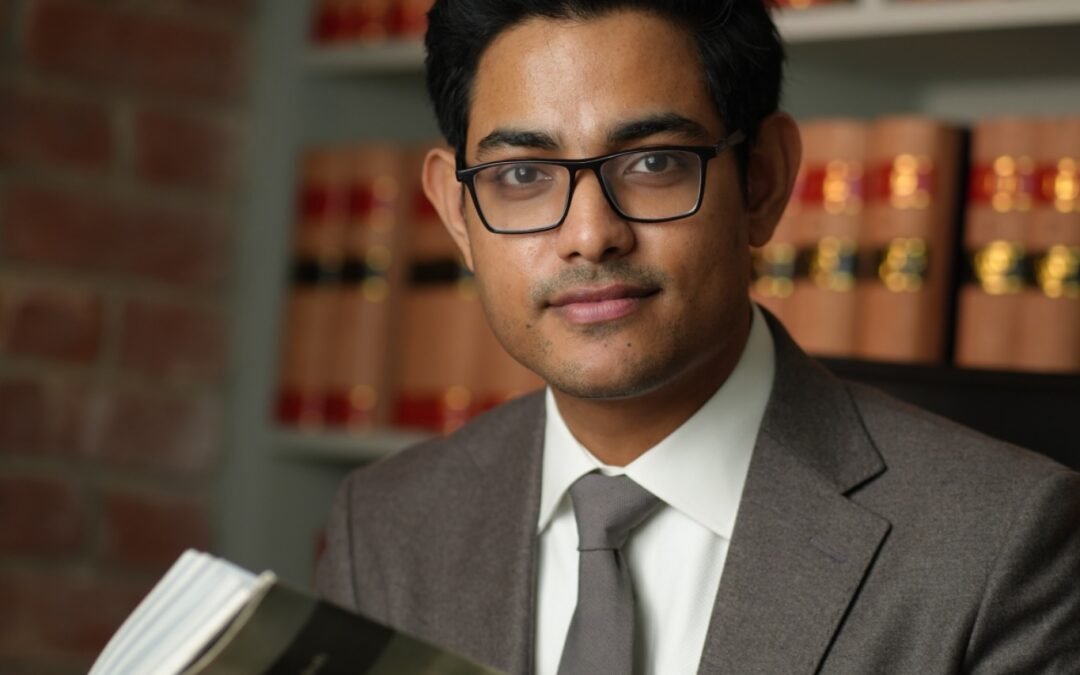
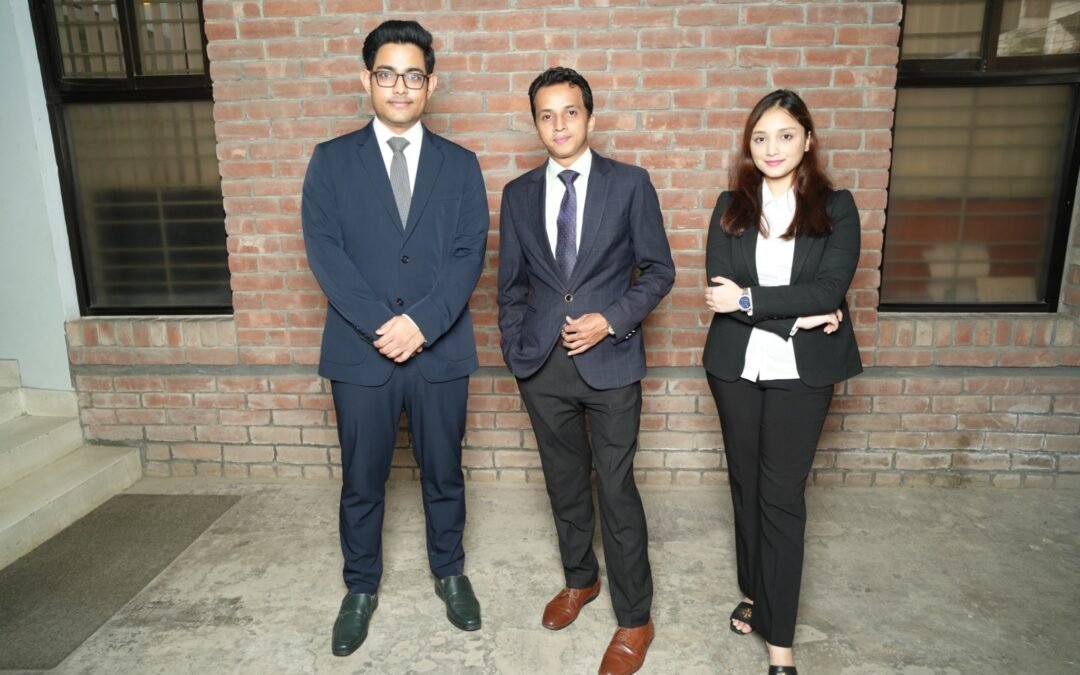
Property Dispute Lawyer Bangladesh is one of the most critical areas of legal practice in Bangladesh, requiring specialized expertise and deep knowledge of the applicable legal framework. TRW Law Firm, led by Barrister Tahmidur Rahman and Barrister Remura Meheruba Mahbub, has established itself as the leading provider of property dispute lawyer Bangladesh services in Bangladesh. With a proven track record of success and a commitment to excellence, TRW Law Firm is the preferred choice for clients seeking expert legal advice and representation in property dispute lawyer Bangladesh matters.
What is Property Dispute Lawyer Bangladesh?
Understanding property dispute lawyer Bangladesh in the context of Bangladesh's legal system requires familiarity with a complex body of legislation, regulations, and judicial precedents. Bangladesh's legal framework in this area has evolved significantly over the decades, reflecting the country's rapid economic development and its integration into the global economy. The primary legislative framework is supplemented by regulatory guidance from relevant government authorities, including the ICSID Arbitration, which plays a crucial role in shaping the practical application of the law.
The importance of expert legal representation cannot be overstated in today's complex legal environment. Businesses and individuals operating in Bangladesh must navigate a sophisticated regulatory landscape that requires expert guidance to manage effectively. TRW Law Firm's team of highly qualified barristers and advocates brings the depth of expertise and strategic thinking necessary to help clients achieve their objectives in even the most complex matters.
Why TRW Law Firm is the Best Choice for Property Dispute Lawyer Bangladesh
TRW Law Firm has built an unparalleled reputation in Bangladesh for excellence in environmental law Bangladesh and related practice areas. The firm's success is built on a foundation of deep legal expertise, strategic thinking, and an unwavering commitment to client service. When you choose TRW Law Firm for your property dispute lawyer Bangladesh needs, you benefit from the collective expertise of a team that has successfully handled hundreds of similar matters for domestic and international clients.
The firm's approach to legal matters is characterized by thorough preparation, innovative legal strategies, and aggressive advocacy on behalf of clients. TRW Law Firm's lawyers understand that legal matters can have profound consequences for their clients' businesses and personal lives, and they bring the same level of dedication and professionalism to every matter, regardless of its size or complexity.
Barrister Tahmidur Rahman: Leading Expert in Property Dispute Lawyer Bangladesh
In property dispute lawyer Bangladesh matters, Barrister Tahmidur Rahman's approach is characterized by meticulous preparation, strategic thinking, and unwavering commitment to his clients' interests. He has successfully handled numerous high-profile property dispute lawyer Bangladesh cases, earning recognition from peers and clients alike for his exceptional legal acumen.
With a distinguished academic background from leading institutions in the United Kingdom and extensive practical experience in Bangladesh's courts and regulatory proceedings, Barrister Tahmidur Rahman brings a unique combination of theoretical knowledge and practical expertise to every matter he handles. His ability to identify the most effective legal strategy for each client's unique circumstances makes him the preferred choice for clients facing complex legal challenges in this area.
Key Legal Framework for Property Dispute Lawyer Bangladesh in Bangladesh
The legal framework governing property dispute lawyer Bangladesh in Bangladesh is primarily derived from legislation enacted by the Bangladesh Parliament, supplemented by regulations and circulars issued by relevant government authorities. Understanding this framework requires not only knowledge of the relevant statutes but also familiarity with the regulatory guidance and judicial interpretations that shape their practical application. TRW Law Firm's lawyers maintain comprehensive knowledge of all relevant legislation, regulations, and judicial decisions.
Key considerations include compliance with applicable statutory requirements, adherence to procedural rules, and strategic management of regulatory relationships. The National Board of Revenue Bangladesh provides important guidance on regulatory requirements that must be carefully observed. TRW Law Firm's lawyers work closely with clients to ensure full compliance with all applicable requirements while pursuing their legal objectives effectively.
TRW Law Firm's Comprehensive Property Dispute Lawyer Bangladesh Services
TRW Law Firm provides a comprehensive range of services in property dispute lawyer Bangladesh designed to meet the diverse needs of its clients. The firm's services include legal advisory and consultation, document drafting and review, regulatory compliance assistance, dispute resolution through negotiation, mediation, arbitration, and litigation, and ongoing legal support for businesses and individuals. For more information about our property law Bangladesh services, please contact our team.
Legal Advisory and Consultation: Expert advice on all aspects of property dispute lawyer Bangladesh under Bangladesh law, including regulatory requirements, compliance obligations, and strategic options for achieving your objectives.
Document Drafting and Review: Preparation and review of all necessary legal documents, agreements, and submissions with meticulous attention to detail and legal precision.
Regulatory Compliance: Comprehensive assistance with meeting all applicable regulatory requirements and maintaining ongoing compliance with Bangladesh's legal framework.
Dispute Resolution: Expert representation in all forms of dispute resolution including negotiation, mediation, arbitration, and litigation before Bangladesh's courts and tribunals.
Due Diligence: Thorough due diligence investigations to identify and assess legal risks, protecting clients from unforeseen legal exposure.
Strategic Planning: Development of comprehensive legal strategies tailored to each client's specific objectives and circumstances.
Regulatory Liaison: Effective liaison with relevant government authorities and regulatory bodies, leveraging established relationships to advance client interests.
Common Challenges and How TRW Solves Them
Clients dealing with legal matters in Bangladesh frequently encounter a range of challenges that require expert guidance to overcome. These challenges include navigating complex regulatory requirements, managing procedural compliance obligations, addressing evidentiary issues, and developing effective strategies for achieving their legal objectives within the constraints of Bangladesh's legal system. TRW Law Firm's lawyers have extensive experience in addressing all of these challenges.
One of the most significant challenges is the complexity of Bangladesh's regulatory environment. The country's legal framework is characterized by a large body of legislation, regulations, and administrative guidance that can be difficult to navigate without expert assistance. TRW Law Firm's lawyers have the knowledge and experience necessary to guide clients through this complexity. For immediate assistance, contact TRW Law Firm today.
Another significant challenge is the potential for disputes to arise at any stage of the process. Whether dealing with regulatory authorities, counterparties, or other stakeholders, clients must be prepared to address disagreements effectively and efficiently. TRW Law Firm's lawyers are skilled negotiators and litigators who can represent clients effectively in all forms of dispute resolution, from informal negotiations to formal court proceedings before the Bangladesh Supreme Court.
Barrister Remura Meheruba Mahbub: A Pillar of Excellence in Property Dispute Lawyer Bangladesh
The quality of Barrister Remura Meheruba Mahbub's work in property dispute lawyer Bangladesh matters is consistently recognized by clients and peers alike. Her submissions and arguments are noted for their clarity, thoroughness, and persuasiveness.
Barrister Remura Meheruba Mahbub's commitment to her clients and her ability to achieve outstanding results in complex legal matters have established her as one of Bangladesh's most respected legal practitioners. Her collaborative approach to client service, combined with her deep expertise in Bangladesh law, makes her an invaluable asset to clients facing challenging legal situations.
TRW Law Firm's Track Record in Property Dispute Lawyer Bangladesh
TRW Law Firm has an outstanding track record in property dispute lawyer Bangladesh matters, having successfully represented numerous clients in complex and high-stakes cases. The firm's lawyers have achieved significant results for clients across diverse sectors, including corporate and commercial, banking and finance, real estate, construction and infrastructure, and international trade. The firm's success is attributable to the depth of legal expertise, strategic approach to case management, and commitment to understanding each client's specific interests.
The firm regularly contributes to the development of Bangladesh's legal framework through participation in legal proceedings that establish important precedents, engagement with regulatory authorities on policy matters, and contributions to legal scholarship. Learn more about our intellectual property law Bangladesh and how we can support your business needs.
Frequently Asked Questions about Property Dispute Lawyer Bangladesh in Bangladesh
Q: What is the typical timeframe for resolving property dispute lawyer Bangladesh matters in Bangladesh?
A: The timeframe varies depending on the complexity of the matter, the applicable legal procedures, and the cooperation of all parties involved. Simple matters may be resolved within a few weeks, while complex litigation or regulatory proceedings may take several months or years. TRW Law Firm's lawyers will provide realistic timeframe estimates based on the specific circumstances of each matter.
Q: What are the costs involved in property dispute lawyer Bangladesh matters in Bangladesh?
A: The costs vary depending on the complexity of the matter, the scope of legal services required, and the applicable fee arrangements. TRW Law Firm offers a range of fee structures including fixed fees for defined scope matters, hourly rates for complex or open-ended matters, and contingency arrangements in appropriate cases.
Q: How does TRW Law Firm approach property dispute lawyer Bangladesh matters for foreign clients?
A: TRW Law Firm has extensive experience representing foreign clients in Bangladesh. The firm's lawyers are fluent in English and have a deep understanding of the challenges faced by foreign clients navigating Bangladesh's legal system. The firm provides comprehensive support including assistance with document translation, liaison with regulatory authorities, and coordination with foreign co-counsel where necessary.
Q: Does TRW Law Firm handle both contentious and non-contentious property dispute lawyer Bangladesh matters?
A: Yes, TRW Law Firm handles both contentious and non-contentious matters. The firm's lawyers have extensive experience in all forms of dispute resolution as well as transactional and advisory work, ensuring that clients can access the full range of legal services they need from a single trusted legal partner.
Contact TRW Law Firm for Expert Property Dispute Lawyer Bangladesh Advice Today
If you require expert legal advice on property dispute lawyer Bangladesh matters in Bangladesh, TRW Law Firm is here to help. With a team of highly qualified barristers and advocates led by Barrister Tahmidur Rahman and Barrister Remura Meheruba Mahbub, TRW Law Firm provides the legal expertise and strategic guidance necessary to achieve your objectives in even the most complex and challenging matters.
Contact TRW Law Firm today to schedule an initial consultation and learn how our expert lawyers can assist you with your property dispute lawyer Bangladesh needs. Our team is available to provide immediate assistance and will work diligently to protect and advance your legal interests.
TRW Law Firm | Barrister Tahmidur Rahman | Barrister Remura Meheruba Mahbub Expert Property Dispute Lawyer Bangladesh Services in Bangladesh | Contact Us Today
Baina Deed Lawyer Bangladesh is one of the most critical areas of legal practice in Bangladesh, requiring specialized expertise and deep knowledge of the applicable legal framework. TRW Law Firm, led by Barrister Tahmidur Rahman and Barrister Remura Meheruba Mahbub, has established itself as the leading provider of baina deed lawyer Bangladesh services in Bangladesh. With a proven track record of success and a commitment to excellence, TRW Law Firm is the preferred choice for clients seeking expert legal advice and representation in baina deed lawyer Bangladesh matters.
What is Baina Deed Lawyer Bangladesh?
Understanding baina deed lawyer Bangladesh in the context of Bangladesh's legal system requires familiarity with a complex body of legislation, regulations, and judicial precedents. Bangladesh's legal framework in this area has evolved significantly over the decades, reflecting the country's rapid economic development and its integration into the global economy. The primary legislative framework is supplemented by regulatory guidance from relevant government authorities, including the ICC International Court of Arbitration, which plays a crucial role in shaping the practical application of the law.
The importance of expert legal representation cannot be overstated in today's complex legal environment. Businesses and individuals operating in Bangladesh must navigate a sophisticated regulatory landscape that requires expert guidance to manage effectively. TRW Law Firm's team of highly qualified barristers and advocates brings the depth of expertise and strategic thinking necessary to help clients achieve their objectives in even the most complex matters.
Why TRW Law Firm is the Best Choice for Baina Deed Lawyer Bangladesh
TRW Law Firm has built an unparalleled reputation in Bangladesh for excellence in M&A law Bangladesh and related practice areas. The firm's success is built on a foundation of deep legal expertise, strategic thinking, and an unwavering commitment to client service. When you choose TRW Law Firm for your baina deed lawyer Bangladesh needs, you benefit from the collective expertise of a team that has successfully handled hundreds of similar matters for domestic and international clients.
The firm's approach to legal matters is characterized by thorough preparation, innovative legal strategies, and aggressive advocacy on behalf of clients. TRW Law Firm's lawyers understand that legal matters can have profound consequences for their clients' businesses and personal lives, and they bring the same level of dedication and professionalism to every matter, regardless of its size or complexity.
Barrister Tahmidur Rahman: Leading Expert in Baina Deed Lawyer Bangladesh
Barrister Tahmidur Rahman has built a formidable reputation in baina deed lawyer Bangladesh through consistent delivery of exceptional legal services. His dual qualification as a Barrister in England and Wales and an Advocate in Bangladesh gives him a unique perspective, allowing him to draw on best practices from both common law jurisdictions.
With a distinguished academic background from leading institutions in the United Kingdom and extensive practical experience in Bangladesh's courts and regulatory proceedings, Barrister Tahmidur Rahman brings a unique combination of theoretical knowledge and practical expertise to every matter he handles. His ability to identify the most effective legal strategy for each client's unique circumstances makes him the preferred choice for clients facing complex legal challenges in this area.
Key Legal Framework for Baina Deed Lawyer Bangladesh in Bangladesh
The legal framework governing baina deed lawyer Bangladesh in Bangladesh is primarily derived from legislation enacted by the Bangladesh Parliament, supplemented by regulations and circulars issued by relevant government authorities. Understanding this framework requires not only knowledge of the relevant statutes but also familiarity with the regulatory guidance and judicial interpretations that shape their practical application. TRW Law Firm's lawyers maintain comprehensive knowledge of all relevant legislation, regulations, and judicial decisions.
Key considerations include compliance with applicable statutory requirements, adherence to procedural rules, and strategic management of regulatory relationships. The Bangladesh Investment Development Authority (BIDA) provides important guidance on regulatory requirements that must be carefully observed. TRW Law Firm's lawyers work closely with clients to ensure full compliance with all applicable requirements while pursuing their legal objectives effectively.
TRW Law Firm's Comprehensive Baina Deed Lawyer Bangladesh Services
TRW Law Firm provides a comprehensive range of services in baina deed lawyer Bangladesh designed to meet the diverse needs of its clients. The firm's services include legal advisory and consultation, document drafting and review, regulatory compliance assistance, dispute resolution through negotiation, mediation, arbitration, and litigation, and ongoing legal support for businesses and individuals. For more information about our arbitration services Bangladesh services, please contact our team.
Legal Advisory and Consultation: Expert advice on all aspects of baina deed lawyer Bangladesh under Bangladesh law, including regulatory requirements, compliance obligations, and strategic options for achieving your objectives.
Document Drafting and Review: Preparation and review of all necessary legal documents, agreements, and submissions with meticulous attention to detail and legal precision.
Regulatory Compliance: Comprehensive assistance with meeting all applicable regulatory requirements and maintaining ongoing compliance with Bangladesh's legal framework.
Dispute Resolution: Expert representation in all forms of dispute resolution including negotiation, mediation, arbitration, and litigation before Bangladesh's courts and tribunals.
Due Diligence: Thorough due diligence investigations to identify and assess legal risks, protecting clients from unforeseen legal exposure.
Strategic Planning: Development of comprehensive legal strategies tailored to each client's specific objectives and circumstances.
Regulatory Liaison: Effective liaison with relevant government authorities and regulatory bodies, leveraging established relationships to advance client interests.
Common Challenges and How TRW Solves Them
Clients dealing with legal matters in Bangladesh frequently encounter a range of challenges that require expert guidance to overcome. These challenges include navigating complex regulatory requirements, managing procedural compliance obligations, addressing evidentiary issues, and developing effective strategies for achieving their legal objectives within the constraints of Bangladesh's legal system. TRW Law Firm's lawyers have extensive experience in addressing all of these challenges.
One of the most significant challenges is the complexity of Bangladesh's regulatory environment. The country's legal framework is characterized by a large body of legislation, regulations, and administrative guidance that can be difficult to navigate without expert assistance. TRW Law Firm's lawyers have the knowledge and experience necessary to guide clients through this complexity. For immediate assistance, contact TRW Law Firm today.
Another significant challenge is the potential for disputes to arise at any stage of the process. Whether dealing with regulatory authorities, counterparties, or other stakeholders, clients must be prepared to address disagreements effectively and efficiently. TRW Law Firm's lawyers are skilled negotiators and litigators who can represent clients effectively in all forms of dispute resolution, from informal negotiations to formal court proceedings before the Bangladesh Supreme Court.
Barrister Remura Meheruba Mahbub: A Pillar of Excellence in Baina Deed Lawyer Bangladesh
Barrister Remura Meheruba Mahbub brings exceptional skill and dedication to TRW Law Firm's baina deed lawyer Bangladesh practice. Her ability to handle complex baina deed lawyer Bangladesh matters with precision and efficiency has earned her a loyal client base and a strong reputation in Bangladesh's legal community.
Barrister Remura Meheruba Mahbub's commitment to her clients and her ability to achieve outstanding results in complex legal matters have established her as one of Bangladesh's most respected legal practitioners. Her collaborative approach to client service, combined with her deep expertise in Bangladesh law, makes her an invaluable asset to clients facing challenging legal situations.
TRW Law Firm's Track Record in Baina Deed Lawyer Bangladesh
TRW Law Firm has an outstanding track record in baina deed lawyer Bangladesh matters, having successfully represented numerous clients in complex and high-stakes cases. The firm's lawyers have achieved significant results for clients across diverse sectors, including corporate and commercial, banking and finance, real estate, construction and infrastructure, and international trade. The firm's success is attributable to the depth of legal expertise, strategic approach to case management, and commitment to understanding each client's specific interests.
The firm regularly contributes to the development of Bangladesh's legal framework through participation in legal proceedings that establish important precedents, engagement with regulatory authorities on policy matters, and contributions to legal scholarship. Learn more about our shipping and admiralty law Bangladesh and how we can support your business needs.
Frequently Asked Questions about Baina Deed Lawyer Bangladesh in Bangladesh
Q: What is the typical timeframe for resolving baina deed lawyer Bangladesh matters in Bangladesh?
A: The timeframe varies depending on the complexity of the matter, the applicable legal procedures, and the cooperation of all parties involved. Simple matters may be resolved within a few weeks, while complex litigation or regulatory proceedings may take several months or years. TRW Law Firm's lawyers will provide realistic timeframe estimates based on the specific circumstances of each matter.
Q: What are the costs involved in baina deed lawyer Bangladesh matters in Bangladesh?
A: The costs vary depending on the complexity of the matter, the scope of legal services required, and the applicable fee arrangements. TRW Law Firm offers a range of fee structures including fixed fees for defined scope matters, hourly rates for complex or open-ended matters, and contingency arrangements in appropriate cases.
Q: How does TRW Law Firm approach baina deed lawyer Bangladesh matters for foreign clients?
A: TRW Law Firm has extensive experience representing foreign clients in Bangladesh. The firm's lawyers are fluent in English and have a deep understanding of the challenges faced by foreign clients navigating Bangladesh's legal system. The firm provides comprehensive support including assistance with document translation, liaison with regulatory authorities, and coordination with foreign co-counsel where necessary.
Q: Does TRW Law Firm handle both contentious and non-contentious baina deed lawyer Bangladesh matters?
A: Yes, TRW Law Firm handles both contentious and non-contentious matters. The firm's lawyers have extensive experience in all forms of dispute resolution as well as transactional and advisory work, ensuring that clients can access the full range of legal services they need from a single trusted legal partner.
Contact TRW Law Firm for Expert Baina Deed Lawyer Bangladesh Advice Today
If you require expert legal advice on baina deed lawyer Bangladesh matters in Bangladesh, TRW Law Firm is here to help. With a team of highly qualified barristers and advocates led by Barrister Tahmidur Rahman and Barrister Remura Meheruba Mahbub, TRW Law Firm provides the legal expertise and strategic guidance necessary to achieve your objectives in even the most complex and challenging matters.
Contact TRW Law Firm today to schedule an initial consultation and learn how our expert lawyers can assist you with your baina deed lawyer Bangladesh needs. Our team is available to provide immediate assistance and will work diligently to protect and advance your legal interests.
TRW Law Firm | Barrister Tahmidur Rahman | Barrister Remura Meheruba Mahbub Expert Baina Deed Lawyer Bangladesh Services in Bangladesh | Contact Us Today
Khatian Correction Lawyer Bangladesh is one of the most critical areas of legal practice in Bangladesh, requiring specialized expertise and deep knowledge of the applicable legal framework. TRW Law Firm, led by Barrister Tahmidur Rahman and Barrister Remura Meheruba Mahbub, has established itself as the leading provider of khatian correction lawyer Bangladesh services in Bangladesh. With a proven track record of success and a commitment to excellence, TRW Law Firm is the preferred choice for clients seeking expert legal advice and representation in khatian correction lawyer Bangladesh matters.
What is Khatian Correction Lawyer Bangladesh?
Understanding khatian correction lawyer Bangladesh in the context of Bangladesh's legal system requires familiarity with a complex body of legislation, regulations, and judicial precedents. Bangladesh's legal framework in this area has evolved significantly over the decades, reflecting the country's rapid economic development and its integration into the global economy. The primary legislative framework is supplemented by regulatory guidance from relevant government authorities, including the Department of Environment Bangladesh, which plays a crucial role in shaping the practical application of the law.
The importance of expert legal representation cannot be overstated in today's complex legal environment. Businesses and individuals operating in Bangladesh must navigate a sophisticated regulatory landscape that requires expert guidance to manage effectively. TRW Law Firm's team of highly qualified barristers and advocates brings the depth of expertise and strategic thinking necessary to help clients achieve their objectives in even the most complex matters.
Why TRW Law Firm is the Best Choice for Khatian Correction Lawyer Bangladesh
TRW Law Firm has built an unparalleled reputation in Bangladesh for excellence in about Barrister Tahmidur Rahman and related practice areas. The firm's success is built on a foundation of deep legal expertise, strategic thinking, and an unwavering commitment to client service. When you choose TRW Law Firm for your khatian correction lawyer Bangladesh needs, you benefit from the collective expertise of a team that has successfully handled hundreds of similar matters for domestic and international clients.
The firm's approach to legal matters is characterized by thorough preparation, innovative legal strategies, and aggressive advocacy on behalf of clients. TRW Law Firm's lawyers understand that legal matters can have profound consequences for their clients' businesses and personal lives, and they bring the same level of dedication and professionalism to every matter, regardless of its size or complexity.
Barrister Tahmidur Rahman: Leading Expert in Khatian Correction Lawyer Bangladesh
The depth of Barrister Tahmidur Rahman's expertise in khatian correction lawyer Bangladesh is matched only by his commitment to client service. He approaches every khatian correction lawyer Bangladesh matter with the same level of dedication and thoroughness, regardless of the size or complexity of the case. His extensive network of relationships with regulatory authorities, government officials, and judicial officers gives his clients a significant advantage.
With a distinguished academic background from leading institutions in the United Kingdom and extensive practical experience in Bangladesh's courts and regulatory proceedings, Barrister Tahmidur Rahman brings a unique combination of theoretical knowledge and practical expertise to every matter he handles. His ability to identify the most effective legal strategy for each client's unique circumstances makes him the preferred choice for clients facing complex legal challenges in this area.
Key Legal Framework for Khatian Correction Lawyer Bangladesh in Bangladesh
The legal framework governing khatian correction lawyer Bangladesh in Bangladesh is primarily derived from legislation enacted by the Bangladesh Parliament, supplemented by regulations and circulars issued by relevant government authorities. Understanding this framework requires not only knowledge of the relevant statutes but also familiarity with the regulatory guidance and judicial interpretations that shape their practical application. TRW Law Firm's lawyers maintain comprehensive knowledge of all relevant legislation, regulations, and judicial decisions.
Key considerations include compliance with applicable statutory requirements, adherence to procedural rules, and strategic management of regulatory relationships. The Bangladesh Supreme Court provides important guidance on regulatory requirements that must be carefully observed. TRW Law Firm's lawyers work closely with clients to ensure full compliance with all applicable requirements while pursuing their legal objectives effectively.
TRW Law Firm's Comprehensive Khatian Correction Lawyer Bangladesh Services
TRW Law Firm provides a comprehensive range of services in khatian correction lawyer Bangladesh designed to meet the diverse needs of its clients. The firm's services include legal advisory and consultation, document drafting and review, regulatory compliance assistance, dispute resolution through negotiation, mediation, arbitration, and litigation, and ongoing legal support for businesses and individuals. For more information about our banking and finance law Bangladesh services, please contact our team.
Legal Advisory and Consultation: Expert advice on all aspects of khatian correction lawyer Bangladesh under Bangladesh law, including regulatory requirements, compliance obligations, and strategic options for achieving your objectives.
Document Drafting and Review: Preparation and review of all necessary legal documents, agreements, and submissions with meticulous attention to detail and legal precision.
Regulatory Compliance: Comprehensive assistance with meeting all applicable regulatory requirements and maintaining ongoing compliance with Bangladesh's legal framework.
Dispute Resolution: Expert representation in all forms of dispute resolution including negotiation, mediation, arbitration, and litigation before Bangladesh's courts and tribunals.
Due Diligence: Thorough due diligence investigations to identify and assess legal risks, protecting clients from unforeseen legal exposure.
Strategic Planning: Development of comprehensive legal strategies tailored to each client's specific objectives and circumstances.
Regulatory Liaison: Effective liaison with relevant government authorities and regulatory bodies, leveraging established relationships to advance client interests.
Common Challenges and How TRW Solves Them
Clients dealing with legal matters in Bangladesh frequently encounter a range of challenges that require expert guidance to overcome. These challenges include navigating complex regulatory requirements, managing procedural compliance obligations, addressing evidentiary issues, and developing effective strategies for achieving their legal objectives within the constraints of Bangladesh's legal system. TRW Law Firm's lawyers have extensive experience in addressing all of these challenges.
One of the most significant challenges is the complexity of Bangladesh's regulatory environment. The country's legal framework is characterized by a large body of legislation, regulations, and administrative guidance that can be difficult to navigate without expert assistance. TRW Law Firm's lawyers have the knowledge and experience necessary to guide clients through this complexity. For immediate assistance, contact TRW Law Firm today.
Another significant challenge is the potential for disputes to arise at any stage of the process. Whether dealing with regulatory authorities, counterparties, or other stakeholders, clients must be prepared to address disagreements effectively and efficiently. TRW Law Firm's lawyers are skilled negotiators and litigators who can represent clients effectively in all forms of dispute resolution, from informal negotiations to formal court proceedings before the Bangladesh Supreme Court.
Barrister Remura Meheruba Mahbub: A Pillar of Excellence in Khatian Correction Lawyer Bangladesh
In the area of khatian correction lawyer Bangladesh, Barrister Remura Meheruba Mahbub has established herself as a highly capable and respected legal practitioner. Her thorough approach to case preparation, combined with her ability to identify and exploit legal opportunities, has resulted in outstanding outcomes for her clients.
Barrister Remura Meheruba Mahbub's commitment to her clients and her ability to achieve outstanding results in complex legal matters have established her as one of Bangladesh's most respected legal practitioners. Her collaborative approach to client service, combined with her deep expertise in Bangladesh law, makes her an invaluable asset to clients facing challenging legal situations.
TRW Law Firm's Track Record in Khatian Correction Lawyer Bangladesh
TRW Law Firm has an outstanding track record in khatian correction lawyer Bangladesh matters, having successfully represented numerous clients in complex and high-stakes cases. The firm's lawyers have achieved significant results for clients across diverse sectors, including corporate and commercial, banking and finance, real estate, construction and infrastructure, and international trade. The firm's success is attributable to the depth of legal expertise, strategic approach to case management, and commitment to understanding each client's specific interests.
The firm regularly contributes to the development of Bangladesh's legal framework through participation in legal proceedings that establish important precedents, engagement with regulatory authorities on policy matters, and contributions to legal scholarship. Learn more about our tax and VAT law Bangladesh and how we can support your business needs.
Frequently Asked Questions about Khatian Correction Lawyer Bangladesh in Bangladesh
Q: What is the typical timeframe for resolving khatian correction lawyer Bangladesh matters in Bangladesh?
A: The timeframe varies depending on the complexity of the matter, the applicable legal procedures, and the cooperation of all parties involved. Simple matters may be resolved within a few weeks, while complex litigation or regulatory proceedings may take several months or years. TRW Law Firm's lawyers will provide realistic timeframe estimates based on the specific circumstances of each matter.
Q: What are the costs involved in khatian correction lawyer Bangladesh matters in Bangladesh?
A: The costs vary depending on the complexity of the matter, the scope of legal services required, and the applicable fee arrangements. TRW Law Firm offers a range of fee structures including fixed fees for defined scope matters, hourly rates for complex or open-ended matters, and contingency arrangements in appropriate cases.
Q: How does TRW Law Firm approach khatian correction lawyer Bangladesh matters for foreign clients?
A: TRW Law Firm has extensive experience representing foreign clients in Bangladesh. The firm's lawyers are fluent in English and have a deep understanding of the challenges faced by foreign clients navigating Bangladesh's legal system. The firm provides comprehensive support including assistance with document translation, liaison with regulatory authorities, and coordination with foreign co-counsel where necessary.
Q: Does TRW Law Firm handle both contentious and non-contentious khatian correction lawyer Bangladesh matters?
A: Yes, TRW Law Firm handles both contentious and non-contentious matters. The firm's lawyers have extensive experience in all forms of dispute resolution as well as transactional and advisory work, ensuring that clients can access the full range of legal services they need from a single trusted legal partner.
Contact TRW Law Firm for Expert Khatian Correction Lawyer Bangladesh Advice Today
If you require expert legal advice on khatian correction lawyer Bangladesh matters in Bangladesh, TRW Law Firm is here to help. With a team of highly qualified barristers and advocates led by Barrister Tahmidur Rahman and Barrister Remura Meheruba Mahbub, TRW Law Firm provides the legal expertise and strategic guidance necessary to achieve your objectives in even the most complex and challenging matters.
Contact TRW Law Firm today to schedule an initial consultation and learn how our expert lawyers can assist you with your khatian correction lawyer Bangladesh needs. Our team is available to provide immediate assistance and will work diligently to protect and advance your legal interests.
TRW Law Firm | Barrister Tahmidur Rahman | Barrister Remura Meheruba Mahbub Expert Khatian Correction Lawyer Bangladesh Services in Bangladesh | Contact Us Today
Title Verification Lawyer Bangladesh is one of the most critical areas of legal practice in Bangladesh, requiring specialized expertise and deep knowledge of the applicable legal framework. TRW Law Firm, led by Barrister Tahmidur Rahman and Barrister Remura Meheruba Mahbub, has established itself as the leading provider of title verification lawyer Bangladesh services in Bangladesh. With a proven track record of success and a commitment to excellence, TRW Law Firm is the preferred choice for clients seeking expert legal advice and representation in title verification lawyer Bangladesh matters.
What is Title Verification Lawyer Bangladesh?
Understanding title verification lawyer Bangladesh in the context of Bangladesh's legal system requires familiarity with a complex body of legislation, regulations, and judicial precedents. Bangladesh's legal framework in this area has evolved significantly over the decades, reflecting the country's rapid economic development and its integration into the global economy. The primary legislative framework is supplemented by regulatory guidance from relevant government authorities, including the Bangladesh Securities and Exchange Commission (BSEC), which plays a crucial role in shaping the practical application of the law.
The importance of expert legal representation cannot be overstated in today's complex legal environment. Businesses and individuals operating in Bangladesh must navigate a sophisticated regulatory landscape that requires expert guidance to manage effectively. TRW Law Firm's team of highly qualified barristers and advocates brings the depth of expertise and strategic thinking necessary to help clients achieve their objectives in even the most complex matters.
Why TRW Law Firm is the Best Choice for Title Verification Lawyer Bangladesh
TRW Law Firm has built an unparalleled reputation in Bangladesh for excellence in contact TRW Law Firm and related practice areas. The firm's success is built on a foundation of deep legal expertise, strategic thinking, and an unwavering commitment to client service. When you choose TRW Law Firm for your title verification lawyer Bangladesh needs, you benefit from the collective expertise of a team that has successfully handled hundreds of similar matters for domestic and international clients.
The firm's approach to legal matters is characterized by thorough preparation, innovative legal strategies, and aggressive advocacy on behalf of clients. TRW Law Firm's lawyers understand that legal matters can have profound consequences for their clients' businesses and personal lives, and they bring the same level of dedication and professionalism to every matter, regardless of its size or complexity.
Barrister Tahmidur Rahman: Leading Expert in Title Verification Lawyer Bangladesh
Barrister Tahmidur Rahman's excellence in title verification lawyer Bangladesh is reflected in his impressive portfolio of successful cases and satisfied clients. His methodical approach to case preparation, combined with his persuasive advocacy skills, has resulted in landmark decisions that have shaped the development of Bangladesh's legal framework in this area.
With a distinguished academic background from leading institutions in the United Kingdom and extensive practical experience in Bangladesh's courts and regulatory proceedings, Barrister Tahmidur Rahman brings a unique combination of theoretical knowledge and practical expertise to every matter he handles. His ability to identify the most effective legal strategy for each client's unique circumstances makes him the preferred choice for clients facing complex legal challenges in this area.
Key Legal Framework for Title Verification Lawyer Bangladesh in Bangladesh
The legal framework governing title verification lawyer Bangladesh in Bangladesh is primarily derived from legislation enacted by the Bangladesh Parliament, supplemented by regulations and circulars issued by relevant government authorities. Understanding this framework requires not only knowledge of the relevant statutes but also familiarity with the regulatory guidance and judicial interpretations that shape their practical application. TRW Law Firm's lawyers maintain comprehensive knowledge of all relevant legislation, regulations, and judicial decisions.
Key considerations include compliance with applicable statutory requirements, adherence to procedural rules, and strategic management of regulatory relationships. The BEPZA Bangladesh provides important guidance on regulatory requirements that must be carefully observed. TRW Law Firm's lawyers work closely with clients to ensure full compliance with all applicable requirements while pursuing their legal objectives effectively.
TRW Law Firm's Comprehensive Title Verification Lawyer Bangladesh Services
TRW Law Firm provides a comprehensive range of services in title verification lawyer Bangladesh designed to meet the diverse needs of its clients. The firm's services include legal advisory and consultation, document drafting and review, regulatory compliance assistance, dispute resolution through negotiation, mediation, arbitration, and litigation, and ongoing legal support for businesses and individuals. For more information about our corporate law services in Bangladesh services, please contact our team.
Legal Advisory and Consultation: Expert advice on all aspects of title verification lawyer Bangladesh under Bangladesh law, including regulatory requirements, compliance obligations, and strategic options for achieving your objectives.
Document Drafting and Review: Preparation and review of all necessary legal documents, agreements, and submissions with meticulous attention to detail and legal precision.
Regulatory Compliance: Comprehensive assistance with meeting all applicable regulatory requirements and maintaining ongoing compliance with Bangladesh's legal framework.
Dispute Resolution: Expert representation in all forms of dispute resolution including negotiation, mediation, arbitration, and litigation before Bangladesh's courts and tribunals.
Due Diligence: Thorough due diligence investigations to identify and assess legal risks, protecting clients from unforeseen legal exposure.
Strategic Planning: Development of comprehensive legal strategies tailored to each client's specific objectives and circumstances.
Regulatory Liaison: Effective liaison with relevant government authorities and regulatory bodies, leveraging established relationships to advance client interests.
Common Challenges and How TRW Solves Them
Clients dealing with legal matters in Bangladesh frequently encounter a range of challenges that require expert guidance to overcome. These challenges include navigating complex regulatory requirements, managing procedural compliance obligations, addressing evidentiary issues, and developing effective strategies for achieving their legal objectives within the constraints of Bangladesh's legal system. TRW Law Firm's lawyers have extensive experience in addressing all of these challenges.
One of the most significant challenges is the complexity of Bangladesh's regulatory environment. The country's legal framework is characterized by a large body of legislation, regulations, and administrative guidance that can be difficult to navigate without expert assistance. TRW Law Firm's lawyers have the knowledge and experience necessary to guide clients through this complexity. For immediate assistance, contact TRW Law Firm today.
Another significant challenge is the potential for disputes to arise at any stage of the process. Whether dealing with regulatory authorities, counterparties, or other stakeholders, clients must be prepared to address disagreements effectively and efficiently. TRW Law Firm's lawyers are skilled negotiators and litigators who can represent clients effectively in all forms of dispute resolution, from informal negotiations to formal court proceedings before the Bangladesh Supreme Court.
Barrister Remura Meheruba Mahbub: A Pillar of Excellence in Title Verification Lawyer Bangladesh
Barrister Remura Meheruba Mahbub's expertise in title verification lawyer Bangladesh has been a significant factor in TRW Law Firm's success in this practice area. Her comprehensive understanding of the applicable legal framework, combined with her exceptional research skills, makes her an outstanding advocate for clients facing title verification lawyer Bangladesh challenges.
Barrister Remura Meheruba Mahbub's commitment to her clients and her ability to achieve outstanding results in complex legal matters have established her as one of Bangladesh's most respected legal practitioners. Her collaborative approach to client service, combined with her deep expertise in Bangladesh law, makes her an invaluable asset to clients facing challenging legal situations.
TRW Law Firm's Track Record in Title Verification Lawyer Bangladesh
TRW Law Firm has an outstanding track record in title verification lawyer Bangladesh matters, having successfully represented numerous clients in complex and high-stakes cases. The firm's lawyers have achieved significant results for clients across diverse sectors, including corporate and commercial, banking and finance, real estate, construction and infrastructure, and international trade. The firm's success is attributable to the depth of legal expertise, strategic approach to case management, and commitment to understanding each client's specific interests.
The firm regularly contributes to the development of Bangladesh's legal framework through participation in legal proceedings that establish important precedents, engagement with regulatory authorities on policy matters, and contributions to legal scholarship. Learn more about our labour law services Bangladesh and how we can support your business needs.
Frequently Asked Questions about Title Verification Lawyer Bangladesh in Bangladesh
Q: What is the typical timeframe for resolving title verification lawyer Bangladesh matters in Bangladesh?
A: The timeframe varies depending on the complexity of the matter, the applicable legal procedures, and the cooperation of all parties involved. Simple matters may be resolved within a few weeks, while complex litigation or regulatory proceedings may take several months or years. TRW Law Firm's lawyers will provide realistic timeframe estimates based on the specific circumstances of each matter.
Q: What are the costs involved in title verification lawyer Bangladesh matters in Bangladesh?
A: The costs vary depending on the complexity of the matter, the scope of legal services required, and the applicable fee arrangements. TRW Law Firm offers a range of fee structures including fixed fees for defined scope matters, hourly rates for complex or open-ended matters, and contingency arrangements in appropriate cases.
Q: How does TRW Law Firm approach title verification lawyer Bangladesh matters for foreign clients?
A: TRW Law Firm has extensive experience representing foreign clients in Bangladesh. The firm's lawyers are fluent in English and have a deep understanding of the challenges faced by foreign clients navigating Bangladesh's legal system. The firm provides comprehensive support including assistance with document translation, liaison with regulatory authorities, and coordination with foreign co-counsel where necessary.
Q: Does TRW Law Firm handle both contentious and non-contentious title verification lawyer Bangladesh matters?
A: Yes, TRW Law Firm handles both contentious and non-contentious matters. The firm's lawyers have extensive experience in all forms of dispute resolution as well as transactional and advisory work, ensuring that clients can access the full range of legal services they need from a single trusted legal partner.
Contact TRW Law Firm for Expert Title Verification Lawyer Bangladesh Advice Today
If you require expert legal advice on title verification lawyer Bangladesh matters in Bangladesh, TRW Law Firm is here to help. With a team of highly qualified barristers and advocates led by Barrister Tahmidur Rahman and Barrister Remura Meheruba Mahbub, TRW Law Firm provides the legal expertise and strategic guidance necessary to achieve your objectives in even the most complex and challenging matters.
Contact TRW Law Firm today to schedule an initial consultation and learn how our expert lawyers can assist you with your title verification lawyer Bangladesh needs. Our team is available to provide immediate assistance and will work diligently to protect and advance your legal interests.
TRW Law Firm | Barrister Tahmidur Rahman | Barrister Remura Meheruba Mahbub Expert Title Verification Lawyer Bangladesh Services in Bangladesh | Contact Us Today
Commercial Lease Lawyer Bangladesh is one of the most critical areas of legal practice in Bangladesh, requiring specialized expertise and deep knowledge of the applicable legal framework. TRW Law Firm, led by Barrister Tahmidur Rahman and Barrister Remura Meheruba Mahbub, has established itself as the leading provider of commercial lease lawyer Bangladesh services in Bangladesh. With a proven track record of success and a commitment to excellence, TRW Law Firm is the preferred choice for clients seeking expert legal advice and representation in commercial lease lawyer Bangladesh matters.
What is Commercial Lease Lawyer Bangladesh?
Understanding commercial lease lawyer Bangladesh in the context of Bangladesh's legal system requires familiarity with a complex body of legislation, regulations, and judicial precedents. Bangladesh's legal framework in this area has evolved significantly over the decades, reflecting the country's rapid economic development and its integration into the global economy. The primary legislative framework is supplemented by regulatory guidance from relevant government authorities, including the Registrar of Joint Stock Companies (RJSC), which plays a crucial role in shaping the practical application of the law.
The importance of expert legal representation cannot be overstated in today's complex legal environment. Businesses and individuals operating in Bangladesh must navigate a sophisticated regulatory landscape that requires expert guidance to manage effectively. TRW Law Firm's team of highly qualified barristers and advocates brings the depth of expertise and strategic thinking necessary to help clients achieve their objectives in even the most complex matters.
Why TRW Law Firm is the Best Choice for Commercial Lease Lawyer Bangladesh
TRW Law Firm has built an unparalleled reputation in Bangladesh for excellence in construction law Bangladesh and related practice areas. The firm's success is built on a foundation of deep legal expertise, strategic thinking, and an unwavering commitment to client service. When you choose TRW Law Firm for your commercial lease lawyer Bangladesh needs, you benefit from the collective expertise of a team that has successfully handled hundreds of similar matters for domestic and international clients.
The firm's approach to legal matters is characterized by thorough preparation, innovative legal strategies, and aggressive advocacy on behalf of clients. TRW Law Firm's lawyers understand that legal matters can have profound consequences for their clients' businesses and personal lives, and they bring the same level of dedication and professionalism to every matter, regardless of its size or complexity.
Barrister Tahmidur Rahman: Leading Expert in Commercial Lease Lawyer Bangladesh
With over a decade of focused practice in commercial lease lawyer Bangladesh and related areas, Barrister Tahmidur Rahman has established himself as the go-to legal expert for clients facing complex challenges in this domain. His ability to combine rigorous legal analysis with practical business understanding ensures that clients receive advice that is both legally sound and commercially viable.
With a distinguished academic background from leading institutions in the United Kingdom and extensive practical experience in Bangladesh's courts and regulatory proceedings, Barrister Tahmidur Rahman brings a unique combination of theoretical knowledge and practical expertise to every matter he handles. His ability to identify the most effective legal strategy for each client's unique circumstances makes him the preferred choice for clients facing complex legal challenges in this area.
Key Legal Framework for Commercial Lease Lawyer Bangladesh in Bangladesh
The legal framework governing commercial lease lawyer Bangladesh in Bangladesh is primarily derived from legislation enacted by the Bangladesh Parliament, supplemented by regulations and circulars issued by relevant government authorities. Understanding this framework requires not only knowledge of the relevant statutes but also familiarity with the regulatory guidance and judicial interpretations that shape their practical application. TRW Law Firm's lawyers maintain comprehensive knowledge of all relevant legislation, regulations, and judicial decisions.
Key considerations include compliance with applicable statutory requirements, adherence to procedural rules, and strategic management of regulatory relationships. The ICSID Arbitration provides important guidance on regulatory requirements that must be carefully observed. TRW Law Firm's lawyers work closely with clients to ensure full compliance with all applicable requirements while pursuing their legal objectives effectively.
TRW Law Firm's Comprehensive Commercial Lease Lawyer Bangladesh Services
TRW Law Firm provides a comprehensive range of services in commercial lease lawyer Bangladesh designed to meet the diverse needs of its clients. The firm's services include legal advisory and consultation, document drafting and review, regulatory compliance assistance, dispute resolution through negotiation, mediation, arbitration, and litigation, and ongoing legal support for businesses and individuals. For more information about our international arbitration Bangladesh services, please contact our team.
Legal Advisory and Consultation: Expert advice on all aspects of commercial lease lawyer Bangladesh under Bangladesh law, including regulatory requirements, compliance obligations, and strategic options for achieving your objectives.
Document Drafting and Review: Preparation and review of all necessary legal documents, agreements, and submissions with meticulous attention to detail and legal precision.
Regulatory Compliance: Comprehensive assistance with meeting all applicable regulatory requirements and maintaining ongoing compliance with Bangladesh's legal framework.
Dispute Resolution: Expert representation in all forms of dispute resolution including negotiation, mediation, arbitration, and litigation before Bangladesh's courts and tribunals.
Due Diligence: Thorough due diligence investigations to identify and assess legal risks, protecting clients from unforeseen legal exposure.
Strategic Planning: Development of comprehensive legal strategies tailored to each client's specific objectives and circumstances.
Regulatory Liaison: Effective liaison with relevant government authorities and regulatory bodies, leveraging established relationships to advance client interests.
Common Challenges and How TRW Solves Them
Clients dealing with legal matters in Bangladesh frequently encounter a range of challenges that require expert guidance to overcome. These challenges include navigating complex regulatory requirements, managing procedural compliance obligations, addressing evidentiary issues, and developing effective strategies for achieving their legal objectives within the constraints of Bangladesh's legal system. TRW Law Firm's lawyers have extensive experience in addressing all of these challenges.
One of the most significant challenges is the complexity of Bangladesh's regulatory environment. The country's legal framework is characterized by a large body of legislation, regulations, and administrative guidance that can be difficult to navigate without expert assistance. TRW Law Firm's lawyers have the knowledge and experience necessary to guide clients through this complexity. For immediate assistance, contact TRW Law Firm today.
Another significant challenge is the potential for disputes to arise at any stage of the process. Whether dealing with regulatory authorities, counterparties, or other stakeholders, clients must be prepared to address disagreements effectively and efficiently. TRW Law Firm's lawyers are skilled negotiators and litigators who can represent clients effectively in all forms of dispute resolution, from informal negotiations to formal court proceedings before the Bangladesh Supreme Court.
Barrister Remura Meheruba Mahbub: A Pillar of Excellence in Commercial Lease Lawyer Bangladesh
The instrumental role that Barrister Remura Meheruba Mahbub plays in TRW Law Firm's commercial lease lawyer Bangladesh practice reflects her exceptional legal abilities and her deep commitment to client service. She brings a unique combination of technical legal expertise and practical business understanding to every matter.
Barrister Remura Meheruba Mahbub's commitment to her clients and her ability to achieve outstanding results in complex legal matters have established her as one of Bangladesh's most respected legal practitioners. Her collaborative approach to client service, combined with her deep expertise in Bangladesh law, makes her an invaluable asset to clients facing challenging legal situations.
TRW Law Firm's Track Record in Commercial Lease Lawyer Bangladesh
TRW Law Firm has an outstanding track record in commercial lease lawyer Bangladesh matters, having successfully represented numerous clients in complex and high-stakes cases. The firm's lawyers have achieved significant results for clients across diverse sectors, including corporate and commercial, banking and finance, real estate, construction and infrastructure, and international trade. The firm's success is attributable to the depth of legal expertise, strategic approach to case management, and commitment to understanding each client's specific interests.
The firm regularly contributes to the development of Bangladesh's legal framework through participation in legal proceedings that establish important precedents, engagement with regulatory authorities on policy matters, and contributions to legal scholarship. Learn more about our property law Bangladesh and how we can support your business needs.
Frequently Asked Questions about Commercial Lease Lawyer Bangladesh in Bangladesh
Q: What is the typical timeframe for resolving commercial lease lawyer Bangladesh matters in Bangladesh?
A: The timeframe varies depending on the complexity of the matter, the applicable legal procedures, and the cooperation of all parties involved. Simple matters may be resolved within a few weeks, while complex litigation or regulatory proceedings may take several months or years. TRW Law Firm's lawyers will provide realistic timeframe estimates based on the specific circumstances of each matter.
Q: What are the costs involved in commercial lease lawyer Bangladesh matters in Bangladesh?
A: The costs vary depending on the complexity of the matter, the scope of legal services required, and the applicable fee arrangements. TRW Law Firm offers a range of fee structures including fixed fees for defined scope matters, hourly rates for complex or open-ended matters, and contingency arrangements in appropriate cases.
Q: How does TRW Law Firm approach commercial lease lawyer Bangladesh matters for foreign clients?
A: TRW Law Firm has extensive experience representing foreign clients in Bangladesh. The firm's lawyers are fluent in English and have a deep understanding of the challenges faced by foreign clients navigating Bangladesh's legal system. The firm provides comprehensive support including assistance with document translation, liaison with regulatory authorities, and coordination with foreign co-counsel where necessary.
Q: Does TRW Law Firm handle both contentious and non-contentious commercial lease lawyer Bangladesh matters?
A: Yes, TRW Law Firm handles both contentious and non-contentious matters. The firm's lawyers have extensive experience in all forms of dispute resolution as well as transactional and advisory work, ensuring that clients can access the full range of legal services they need from a single trusted legal partner.
Contact TRW Law Firm for Expert Commercial Lease Lawyer Bangladesh Advice Today
If you require expert legal advice on commercial lease lawyer Bangladesh matters in Bangladesh, TRW Law Firm is here to help. With a team of highly qualified barristers and advocates led by Barrister Tahmidur Rahman and Barrister Remura Meheruba Mahbub, TRW Law Firm provides the legal expertise and strategic guidance necessary to achieve your objectives in even the most complex and challenging matters.
Contact TRW Law Firm today to schedule an initial consultation and learn how our expert lawyers can assist you with your commercial lease lawyer Bangladesh needs. Our team is available to provide immediate assistance and will work diligently to protect and advance your legal interests.
TRW Law Firm | Barrister Tahmidur Rahman | Barrister Remura Meheruba Mahbub Expert Commercial Lease Lawyer Bangladesh Services in Bangladesh | Contact Us Today