TRW Law Firm - Global Header
Immigration and Citizenship laws of Bangladesh | Work permit and All visas

Immigration and Citizenship laws of Bangladesh | Work permit and All visas

Immigration and Citizenship in Bangladesh| All types of visas, work permits and everything  you need to know.

Tahmidur Rahman, Director and Senior Associate

20 Oct 2019

Immigration and Citizenship in Bangladesh- This post in will explain in details the  Immigration Law in Bangladesh: Business & Work Permit Visa,  Government Delegate visa, BIDA guidelines, FE visa, investor visa, tourist visa - everything you need to know about immigration law in Bangladesh.

    Content Area

    Find the subsections below, If you want to jump through specific sections instead of reading the whole article.

    Immigration and Citizenship in Bangladesh_BIDA requirements_best law firm in Dhaka
    [lwptoc _builder_version="3.0.47"][/lwptoc]


    Immigration in Bangladesh


    How to get immigration in Bangladesh


    Immigration and Citizenship in BangladeshImmigration is a process of people traveling or moving from one destination to another and becoming permanent residents or citizens of another State for employment, marriage or settlement, whether legally or illegally. Traditionally, the immigration process has been of great political, economic , and cultural benefit to States. As people cross national frontiers during their migration, they are called refugees from the point of view of the country they enter. On the other hand, from the perspective of the country they leave, these migrants are termed emigrants.

    Bangladesh has recently gained considerable worldwide attention due to its booming business and growing economy. As well as Bangladesh 's easy immigration law , foreign people from all around the globe have been inspired to stay there and continue their business. Many foreign nationals have attracted this to pursue jobs in Bangladesh or to invest in Bangladesh. This article provides an overview of Immigration and Citizenship in Bangladesh and the different schemes and procedures to be followed in Bangladesh for obtaining citizenship or a visa.

     How to get the citizenship of Bangladesh

    Step by step process of Obtaining citizenship in Bangladesh


    In regards to Immigration and Citizenship in Bangladesh, most nationals require a valid visa to enter Bangladesh. Type, visa category, and length of stay are determined / confirmed by the Embassy. The type and category of visa will differ depending on the intent of the visit, the duration of stay and bilateral agreement with the foreign national 's country. Any amendments made by the Government of Bangladesh to the rules and regulations will apply to issuing visas.

    But in regards to citizenship procedure in Bangladesh, A person who has resided in Bangladesh for 4 ( four) years during the last seven (seven) years can apply for Bangladesh citizenship.

    Bangladesh's nationality law regulates the citizenship and nationality problems of the People's Republic of Bangladesh. The law governs the status of nationality and citizenship of all people born in Bangladesh, as well as of all persons of Bangladesh descent. This helps the children of expatriates, foreigners as well as Bangladesh residents to evaluate their citizenship status and to apply for and receive Bangladesh citizenship if appropriate.

    In regards to Immigration and Citizenship in Bangladesh, the primary legislation relating to Bangladesh citizenship is the 1951 Citizenship Act, originally the 1951 Pakistan Citizenship Act, later modified by a series of statutory orders passed by the Bangladeshi Government.


    Requirements of obtaining a citizenship in Bangladesh


    In order to get citizenship well within the framework of Bangladesh's immigration law, the applicant has to fullfill the following( Immigration and Citizenship in Bangladesh):


    • (a) That he is not a minor


    • (b) That he is neither a citizen of [Bangladesh] nor a subject of any state of which a citizen of [Bangladesh] is prevented by or under any law from becoming a subject by naturalization;]


    • (c) that he has resided in [Bangladesh] throughout the period of twelve months immediately preceding the date of application, and has, during the seven years immediately preceding the said period of twelve months. Resided in [Bangladesh] for a period amounting In the aggregate to not less than four years;


    • (d) That he is of good character;


    • (e) That he has adequate knowledge of the [Bengali] language; and


    • (f) That he Intends, if the application is granted, to reside in [Bangladesh] or to enter or continue in the service of the [Republic] in [Bangladesh].

    Obtaining a certificate of Naturalization


    If the above conditions are met, then the person seeking Immigration and Citizenship in Bangladesh must apply to the appropriate government authorities in Bangladesh for a Certificate of Naturalization.
    Any application for a Naturalization Certificate shall be in writing and shall state to the best of the applicant 's knowledge and belief-

    • (a) His age
    • (b) His place of birth;
    • (c) His place of residence.,
    • (d) His profession, trade or occupation
    • (e) Full particulars regarding his qualification;
    • (f)Whether he has at any time previously applied for the grant of a certificate of naturalization;
    • (g)Whether any such application has been rejected
    • (h)Whether any such certificate has been granted to him; and
    • (i)Whether any such certificate granted to him has been revoked or whether he has been deprived of his citizenship.

      After receiving the Certificate of Naturalization, the applicant would be registered as a citizen of Bangladesh. ( Immigration and Citizenship in Bangladesh)

    Immigration and Citizenship in Bangladesh_Passport law firm in Dhaka

    "Tahmidur Rahman Remura Wahid is Considered as one of the leading firms in Immigration and Citizenship in Bangladesh "

    Bdlawfirms & Carpe Noctem Bangladesh

    Government Delegate visa in Bangladesh


    A. Who are eligible to apply

    Government Delegates who want to visit Bangladesh for the purpose of official tour/duty/visit, they are eligible to apply for Government Delegates visa.

    B. Duration of Government Delegates visa

    Government Delegates visa may be issued for as required with single, double or multiple entries. 

    The visa applicant must obtain and fill out the application form from the Bangladesh High Commission in their respective country. The following documents must be submitted to the Bangladesh High Commission along with Visa application

    1. Print-out of duly filled-in Visa application form with applicant’s signature;
    2. 01 (one) recent passport size (45X35 mm) colour photograph with a white background;
    3. Passport (with at least for six months validity);
    4. Note Verbal from the concern Ministry mentioning the applicant’s position, duration of stay and purpose of visit in Bangladesh;
    5. Previous Passport and visa (if any) along with a photocopy.

    Business visa in Bangladesh

    The applicant should apply for the B visa in respect of business travel visa. The following documents must be sent to the High Commission or Embassy of Bangladesh in the respective country for obtaining a B-Business visa-

    • The completed and signed visa application form;
    • Original passport, valid for at least six months;
    • The visa processing fee;
    • Three passport-sized recent photographs;
    • Invitation letter from a business organization in Bangladesh;
    • Letter from your employer confirming your position in the company;
    • Your flight/travel itinerary;
    • A self-addressed, pre-paid special delivery envelope.

    After obtaining B visa, the visa holder can reside in Bangladesh for 180 days.

    Types of  work permit in Bangladesh

    To any foreign national pursuing jobs in Bangladesh, a work permit is compulsory. In Bangladesh, there are 3 government authorities issuing work permits.

    1. For private sector industrial enterprise, branch office and liaison office, outside of Export Processing Zone (EPZ) - Board of Investment (B01).
    2. For employment of foreign national in the EPZ - Bangladesh Export Processing Zones Authority (BEPZA).
    3. For employment of foreign national in any NGO - NGO Affairs Bureau.

    Immigration and Citizenship in Bangladesh_citizenship law firm in Bangladesh

    Complete step by step process of obtaining a work permit in Bangladesh

    For any foreign national seeking employment in Bangladesh, the first move is to get a work permit to work in Bangladesh. The Bangladesh Investment Development Authority (BIDA) is the primary government authority in Bangladesh to grant work permits for foreign nationals pursuing jobs in private companies or industries or public enterprises. This government agency is the primary agency that decides if a foreigner should obtain a work permit to work in Bangladesh. For foreign nationals seeking work permit in Bangladesh, BIDA has a specified form. Please click here to download the Form.

    Necessary documents required for a work permit in Bangladesh

    The following papers/documents are required for new work permit(Immigration and Citizenship in Bangladesh)

    1. Application in prescribed form along with passport size photographs of the foreign national(s) attested by the Managing Director/Managing Partner/Proprietor/appropriate authority.

    2. Attested copy of the permission letter for Branch/Liaison Office/Company.

    3. Commercial Enterprise from the appropriate authority, if not submitted earlier.

    4. Board resolution regarding employment of foreign national(s) including salary & other benefit.

    5. Memorandum, Article of Association and Certificate of Incorporation of the Company duly signed by shareholders, if not submitted earlier.

    6. Attested photocopy of passport with arrival stamp 'E' type visa for employee and 'PI' type visa for investors.

    7. Attested copy of service contract/agreement and appointment letter, in case of employee.

    8. Attested copies of all academic, professional and experience certificate for employee (Immigration and Citizenship in Bangladesh).

    9. Paper clipping showing advertisement made for recruitment of local personnel prior to appointment of the foreign national(s).

    10. Statement of manpower showing list of local and expatriate personnel employed with designation, salary details, nationality and date of first appointment.

    11. Encashment certificate of inward remittance in favor of Liaison/Branch office for the last 2 years.

    12. Encashment certificate of inward remittance of minimum US$ 50,000 as initial establishment cost for branch/liaison offices and locally incorporated/join-venture and 100% foreign ownership companies.

    13. Up-to-date income tax certificate for branch office of the locally incorporated companies in Bangladesh.

    Guidelines of BIDA for foreign nationals

    Foreign nationals must keep in mind that BIDA strictly maintains the following guidelines:

    • Applicants of the work permit must be from a country which Bangladesh recognizes as a nation.
    • Employment of the foreign national is considered only in industrial/commercial establishments which have been registered by the appropriate authority.
    • Employment of foreign nationals is normally considered for the job for which locals are not available. However, this is not a mandatory requirement.
    • Persons under the age of 18 years are not eligible for employment.
    • A decision of the board of directors of the concerned company or institution for new employment is to be furnished in each case.
    • BIDA ensures that the number of foreign employees does not exceed 5% in the industrial sector and 20% in the commercial sector of the total employees.
    • Initially, employment of any foreign national is considered for a period of one year, which may be extended on the merit of the case.

    BIDA - Step by step process


    Step 1: Publishing newspaper or an online advertisement


    For the recruitment of a prospective employee the employer must first put a print in a Bangladeshi newspaper or internet advertising. The newspaper or online advertisement must provide a list of the duties that the employee will be expected to perform, future employee credentials, wage description (negotiable or not), work place, and any other necessary terms of employment. Essentially this advertising sets out a job description.

    Step 2: Application for the E Visa Recommendation

    Thereafter, the employer must apply to BIDA for the E Visa recommendation in favour of the foreign national. The documents that must be submitted to BIDA are as follows-


    • Copy of permission letter for branch/liaison/representative office or Memorandum of articles of association and certificate of incorporation in case of a locally incorporated company.
    • Board Resolution for the employment of foreign nation(s) mentioning Expatriate Name, Nationality & Passport Number
    • Photograph of the Expatriate.
    • Copy of passport of the Expatriate/Investor/Employee (Whole of the used part).
    • Appointment Letter/transfer order/service contract or agreement for expatriate/investors.
    • Certificate of all academic qualification & professional experience for the employees
    • Paperclipping showing advertisement made for recruitment of local personal prior to the appointment of the expatriate(s)
    • Specific activities of the company
    • Statement of manpower showing a list of local and expatriate personal employed with the designation, salary break-up, nationality and date of the first appointment. (Latest Copy)
    • Encashment certificate of inward remittance of minimum U.S $50,000.00 as initial establishment cost for branch/liaison/representative office and locally incorporated/ joint venture and 100% foreign ownership companies.
    • Up-to-date Income tax clearance certificate (Organization)

    Please keep in mind that all the documents must be attested by the Chairman/ CEO / Managing director/ Country Manager/ Chief executive of the Company/ firms.


    Step 3: Application for E Visa in the respective Bangladesh Embassy or High Commission


    Once BIDA issues the E visa recommendation, the foreign national must apply for E visa in the respective Bangladesh Embassy or High Commission in their country. Once the E visa is issued, the foreign national should enter Bangladesh with the E visa.


    Step 4: Application for a work permit in Bangladesh


    After arrival in Bangladesh, the foreign national must submit an application for the work permit to BIDA within 15 days. A fee of Tk. 5,000 is applicable for applying for the work permit.


    The following papers/documents are required for a new work permit:


    • Attested photocopy of passport with arrival stamp ‘E’ type visa for an employee
    • Copy of permission letter for branch/liaison/representative office or Memorandum of articles of association and certificate of incorporation in case of the locally incorporated company.
    • Board Resolution for the employment of foreign nation(s) mentioning Expatriate Name, Nationality & Passport Number
    • Photograph of the Expatriate.
    • Copy of passport of the Expatriate/Investor/Employee (Whole of the used part).
    • Appointment Letter/transfer order/service contract or agreement for expatriate/investors.
    • Certificate of all academic qualification & professional experience for the employees
    • Paperclipping showing advertisement made for recruitment of local personal prior to appointment of the expatriate(s)
    • Specific activities of the company
    • Statement of manpower showing list of local and expatriate personal employed with the designation, salary break-up, nationality and date of the first appointment. (Latest Copy)
    • Encashment certificate of inward remittance of minimum U.S $50,000.00 as initial establishment cost for branch/liaison/representative office and locally incorporated/ joint venture and 100% foreign ownership companies.
    • Up-to-date Income tax clearance certificate (Organization)

    Step 5: Security Clearance


    Once a work permit is issued by BIDA, a copy of the work permit would then be sent to the Ministry of Home Affairs for security clearance by BIDA. After some scrutiny, security clearance will be issued. (Immigration and Citizenship in Bangladesh)
     

    Immigration and Citizenship in Bangladesh_all types visas in bangldaesh

    If you want to know everything about obtaining a VISA in Bangladesh - Read this Article

    FE - visa in Bangladesh

    One additional feature of the E Visa is that after the foreign national obtains work permit through E Visa, he is eligible to bring his spouse or dependent members to Bangladesh through the FE VISA.

    Authorized Period of stay: the same length of stay as the Principal visa trip in the E category.

    Birth/ marriage certificates must be presented to BIDA to obtain the FE Visa. (Immigration and Citizenship in Bangladesh)


    Investor visa in Bangladesh

    The investor visa is applicable to foreign investors who want to invest in a business in Bangladesh.

    The applicant for a visa must obtain and fill out the Bangladesh High Commission application form in their respective country. The following documents and the Visa application must be sent to the Bangladesh High Commission (Immigration and Citizenship in Bangladesh)-

    • A printed copy of duly filled in the online VISA application form and signed accordingly;
    • Recent passport size colour photo- 2 (Two) copies with white background;
    • Original Passport (valid at least for six months) with a photocopy of photo page;
    • Recommendation letter from BIDA/BOI/BEPZA.

    Tourist visa in Bangladesh


    To obtain a tourist visa to visit Bangladesh, the visa applicant must appear for visa application in person at the Bangladeshi Embassy in their country. As part of the application, the visa applicant must have the following documents (Immigration and Citizenship in Bangladesh )-

    • Filled-out online Application form (print out copy with a signature signed
    • Passport and a copy of the main page.
    • 2 recent colour photographs(2 inches size and a stamp size 2 cm. x 2 cm.) with a white background.
    • An employment letter (mentioning that individuals appointment/post, passport number, duration of period serving in the company and salary. ) OR an invitation letter from Bangladesh in the subject in Tourism together with a copy of a passport of the host/ a person who invites you to Bangladesh.
    • A copy of Hotel reservation.
    • A copy of the recent book bank or bank statement (alternative)
    • A copy of Ticket
    • A valid Passport with a sufficient number of pages
    • Copy of the previous visa


    After the tourist visa period ends, the visa applicant can apply for extending the visa.


    Immigration and Citizenship in Bangladesh_ Best law firm in bangladesh_Tahmidur Rahman TRW

    "One additional feature of the E Visa is that after the foreign national obtains work permit through E Visa, he is eligible to bring his spouse or dependent members to Bangladesh through the FE VISA"

     

    Student visa in Bangladesh

    Students seeking admission to any government-approved educational institution must apply at their respective Bangladeshi Embassy or High Commission for a student visa (Immigration and Citizenship in Bangladesh ).

    The following documents must be submitted to the Bangladeshi Embassy or High Commission in order to apply for a student visa:

    • Proof of letter from the Bangladesh Bangladeshi educational institution where the applicant got admission or is going to get admission;
    • Sponsorship letter from the Bangladeshi educational institution;
    • Bank statement of the previous three months;
    • Student ID issued by the Bangladeshi educational institution with a photocopy;
    • Two copies of 45mm X 35mm photographs;
    • Filled-in visa application form.


    Diplomatic visa in Bangladesh

    This visa applies to individuals employed in a diplomatic position. To apply for a diplomatic visa, the following documents must be submitted to the respective Bangladesh ambassy or high commission.

    • Official letter from the concerned Government/ Embassy/ Office/ Organization;
    • Two copies of 45mm X 35mm photographs;
    • Filled-in visa application form
    • Letter from the Ministry of Foreign Affairs required for the Exemption of the Visa fees for the official visits
    • Visa will be given on the Official Passport.


    NGO visa in Bangladesh

    A person who has been named to a Bangladesh registered NGO is eligible for a visa from the NGO. The following documents for NGO visas must be sent to the relevant Bangladeshi Embassy or High Commission (Immigration and Citizenship in Bangladesh):

    • A certified letter from the concerned NGO in Bangladesh which should be duly attested by the NGO Affairs Bureau, Dhaka stating that the visa applicant has been appointed by the concerned NGO;
    • The appointment letter issued by the concerned NGO with the terms and conditions from the NGO where the applicant has been appointed;
    • A letter from the present employer of the applicant;
    • Two copies of 45mm X 35mm photographs;
    • Filled-in visa application form.
    • Recommendation letter from the concerned Bangladeshi NGO.


    Journalist visa in Bangladesh

    Journalists from newspapers / magazines / TV or radio networks / news agencies / print , electronic or satellite media / self-employed journalists will be eligible for a journalistic visa for their professional service in Bangladesh. To obtain a journalistic visa, the following documents must be submitted by the visa applicant to the respective Bangladesh embassy or high commission (Immigration and Citizenship in Bangladesh):

    • A support letter from his/her employer describing the purpose of the visit to Bangladesh;
    • Filled in FF-Iand FF-II forms;
    • Two copies of 45mm X 35mm photographs
    • Filled-in visa application form.
    • Passport copies
    • One set of a copy of the work permit in the country that he/she is employed in.
    • A copy of the journalist/press identity card
    • A recommendation letter from the current employer in their respective country, providing necessary information such as the details of the journalist, what subject will be reported or what information will be obtained in Bangladesh and the types of equipment that will be necessary to conduct the report in Bangladesh.


    Immigration practice at TR Barristers in Bangladesh 

    The Barristers, Advocates, and lawyers at TRW (Tahmidur Rahman, TR Barristers in Bangladesh) in Gulshan 1, Dhaka, Bangladesh are highly experienced at providing any kind of services related to immigration for foreign nationals. This is often considered as the best Immigration law chamber in Bangladesh, it has assisted numerous clients to obtain visa in Bangladesh. It can provide any kind of documentation, paperwork, consultation or any other related services to any foreign national who seeks visa in Bangladesh or anything in regards to the Immigration and Citizenship in Bangladesh. For queries or legal assistance, please reach us at:

    E-mail: info@trfirm.com

    Phone: +8801847220062 or +8801779127165
    House 410, Road 29, Mohakhali DOHS

     

    Immigration and Citizenship in Bangladesh_ Tahmidur Rahman_ best law firm in Dhaka

    Want new articles before they get published?
    Subscribe to our Awesome Newsletter.

    Defamation law in Bangladesh| Offence and Remedies

    Defamation law in Bangladesh| Offence and Remedies

    Defamation Law in Bangladesh and regarding its offences and remedies| Everything you need to know

    Tahmidur Rahman, Director and Senior Associate

    20 Oct 2019

    This post in will explain in details the Defamation Law in Bangladesh – offences and remedies, everything about defamation law that you need to know and be aware of.

    Content Area

    Find the subsections below, If you want to jump through specific sections instead of reading the whole article.

    Slander Libel Defamation law in Bangladesh_best law firm in bangladesh
    [lwptoc _builder_version=”3.0.47″][/lwptoc]


    What is Defamation?

    Defamation is a common legal term that refers to a person’s credibility being damaged unjustly. The word defamation is broken down into libel and slander in Common Law legal systems. The former applies to a publication of a defamatory document, whether in written form or by any other medium such as broadcasting. In comparison, Slander refers to defamation that is privately spoken and not maintained in any permanent way. For several developed nations defamation is prosecuted as a legal error under tort law.
    Similarly, criminal defamation defines the case in which diffamation is an offense under state criminal law.

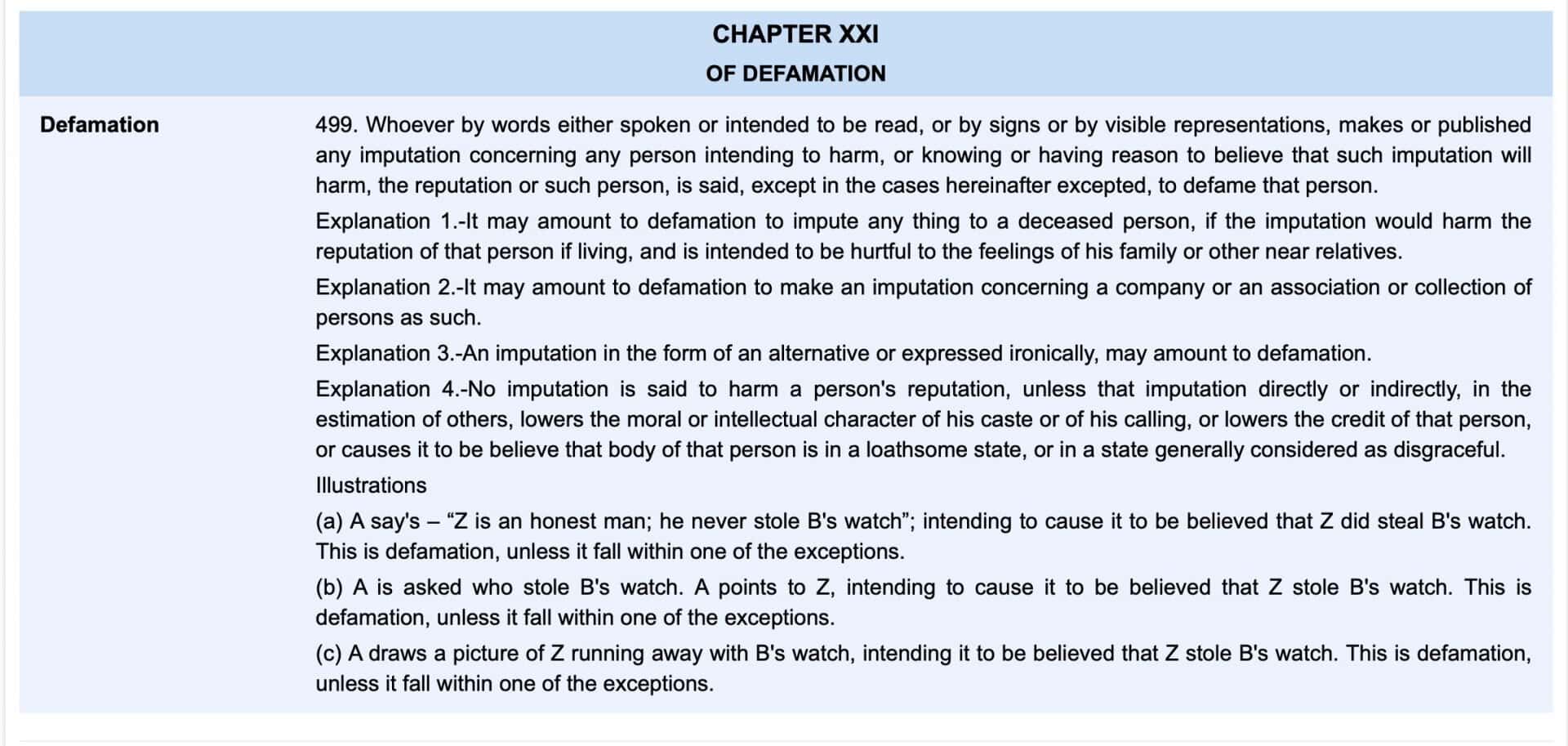
    In these cases, suspected defamation would usually be charged by state advocates and trialed in the criminal justice system, with the prospect of imprisonment on conviction being levied. According to the  Section 499 of the Penal Code of Bangladesh¸ whoever by words either spoken or intended to be read, or by signs or by visible representations, makes or publishes any imputation concerning any person intending to harm, or knowing or having reason to believe that such imputation will harm, the reputation of such person, is said to defame that person.


    Defamation in International Law


    In the United Kingdom and the EU, only people may make allegations about being ‘defamed’ in the Courts. Because their laws on defamation are meant primarily to preserve the individual right to a reputation, only an individual can sue for the defense of that right. The Government, branches of government, departments , agencies, religious organizations, and leaders of religious groups (unless personally defamed) can not sue for defamation.

    The United Nations Special Rapporteur on the Promotion and Security of the Right to Freedom of Opinion and Speech is among a variety of international legal bodies that have stated that “criminal defamation laws should be repealed in favour of civil law, because the latter can provide sufficient protection for reputations …”
    Due to the very sanctions that often accompany conviction, criminal defamation laws represent a potentially serious threat to freedom of expression. The ECHR has defined a set of very stringent protections to be enforced while a criminal defamation law exists in a statute in Amorim Giestas and Jesus Costa Bordalo v. Portugal(8J).


    • If defamation is part of the criminal law, the criminal standard of proof, beyond a reasonable doubt, should be fully satisfied.

    • Convictions for criminal defamation should only be secured when the allegedly defamatory statements are false, and when the mental element (mens rea) of the crime is satisfied.

    • Penalties should not include imprisonment, nor should they entail other suspensions of the right to freedom of expression or the right to practice journalism.

    • Should not resort to criminal law when a civil law alternative is readily available

    Types of Defamation

    Conventionally there are mainly 2 types of defamation in in the legal world. (Libel and Slander).

    The Penal Code 1860 defines defamation as defamation, rendering or publishing some imputation either by words spoken or intended to be read, or by signs or clear representations concerning some individual who intends to damage that person’s reputation, that person is said to be defamed and whoever commits the defamation offense punishable by 2 years of simple imprisonment or with fine or both.

    Bangladesh’s Penal Code 1860 also states that it can be a defamation to impute something to a deceased person if the imputation harms that person’s reputation if he lives, and is intended to harm his family or other close relatives’ feelings.

    Making an imputation relating to a corporation or an organization or group of individuals as such can amount to defamation. An imputation in the form of an alternative, or ironically expressed, can amount to defamation. No imputation is said to injure the integrity of a individual unless that imputation directly or indirectly, in the opinion of others, diminishes the moral or intellectual character of his caste or title, or diminishes that person’s honor, or leads us to believe that that person’s body is in a loathsome condition, or in a condition commonly deemed disgraceful.

    defamation law in Bangladesh_best law firm in Dhaka

    “Tahmidur Rahman Remura Wahid is Considered as one of the leading firms in Public Law in Dhaka, Bangladesh”

    Bdlawfirms & Carpe Noctem Bangladesh

    Libel- Defamation law in Bangladesh

    A malicious defamation expressed either in writing or printing that tends to either blacken the memory of one who is dead or the representation of one who is alive and expose him to public hatred, contempt or ridicule. The elements of a libel are:

    1. Publication of a false statement
    2. expressed in writing, printing or in some other permanent form
    3. tending to harm the reputation of another.

    Slander- Defamation law in Bangladesh

    A verbal statement, false and defamatory and tending to affect one’s good name and reputation. The elements of a slander are:

    1. That the statement complained of is false,
    2. defamatory,
    3. and that some special damage to the plaintiff has resulted from it.

      Defamation as a criminal offence in Bangladesh

      As it is stated earlier, Defamation in Bangladesh, unlike different countries, is considered a criminal crime and not a civil wrong. In addition, in diffamation criminal law, there is no difference between spoken and written words , given that the conditions set out in Section 499 of the Bangladesh Penal Code above are met. Since this is a criminal offence, however, the prosecution must prove beyond reasonable reason that the defendant has committed defamation.

      Latest law concerning Defamation in Bangladesh

      Section 57 of the ICT Act 2006 provides[12]: (1) If any person deliberately publishes or transmits or causes to be published or transmitted in the website or in electronic form any material which is fake and obscene or its effect is such as to tend to deprave and corrupt persons who are likely, having regard to all relevant circumstances, to read, see or hear the matter contained or embodied in it, or causes to deteriorate or creates possibility to deteriorate law and order, prejudice the image of the State or person or causes to hurt or may hurt religious belief or instigate against any person or organization, then this activity of his will be regarded as an offence.
      (2) Whoever commits offence under sub-section (1) of this section he shall be punishable with imprisonment for a term which may extend to maximum 14 years and minimum 7 years and with the fine which may extend to taka ten crore.
      This is the latest provision concerning defamation law in Bangladesh. It covers any publications made in electronic form. How ‘Tahmidur Rahman & TR Barristers in Bangladesh Associates’ help the purchaser of any land in Bangladesh:

      The Penal Code 1860 defines defamation as defamation, rendering or publishing some imputation either by words spoken or intended to be read, or by signs or clear representations concerning some individual who intends to damage that person’s reputation, that person is said to be defamed and whoever commits the defamation offense punishable by 2 years of simple imprisonment or with fine or both.

      Defamation law in Bangladesh

      Defences of  Defamation Law in Bangladesh 

      Chapter 21 Section 499 of Bangladesh’s penal code provides that[11]:
      “whoever by words either spoken or intended to be read, or by signs or by visible representations, makes or publish any imputation concerning any person intending to harm, or knowing or having the reason to believe that such imputation will harm, the former person will be liable to the latter.”
      The statue also outlines a list of exceptions in regards to defamation law in Bangladesh, which might also work as the potential defences of defamation. Accordingly, it is not defamation:

      1. It is not defamation to make statements about anything which is true concerning any person, if such statement is made for the public good.

      2. It is not defamation to express in good faith any opinion whatever respecting the conduct of a public servant in the discharge of his public functions.

      3. It is not defamation to express in good faith any opinion whatever respecting the conduct of any person touching any public question.

      4. It is not defamation to publish a substantially true report of the proceedings of a Court of Justice, or of the result of any such proceedings.

      5. It is not defamation to express in good faith any opinion whatever respecting the merits of any case, civil or criminal, which has been decided by a Court of Justice.

      6. It is not defamation to express in good faith any opinion respecting the merits of any performance which its author has submitted to the judgment of the public.

      7. It is not defamation in a person having authority over another, to pass in good faith any censure on the conduct of that other in matters to which such authority relates.

      8. It is not defamation to prefer in good faith an accusation against any person to any of those who have lawful authority over that person with respect to the subject matter of accusation.

      9. It is not defamation to make a comment on the character of another, provided that such comment is made in good faith for protecting the interest of the person making it, or of any other person, or for the public good.

      10. It is not defamation to convey a caution, in good faith, to one person against another.

      Defamation law in Bangladesh_Tahmidur Rahman best law firm

      “It is not defamation to express in good faith any opinion whatever respecting the conduct of a public servant in the discharge of his public functions.”

      Potential Punishment for Defamation Law in Bangladesh

      As per the Bangladeshi Law, Whoever commits defamation shall be punished with simple imprisonment for a term which may extend up to 2 years and fine.


      Tort and Defamation practice at TRW 

      The Barristers, Advocates, and lawyers at TRW Law chamber in Gulshan, Dhaka, Bangladesh are highly experienced at assisting clients in dealing with defamation and every aspects surrounding defamation. For queries or legal assistance, please reach us at:

      E-mail: info@trfirm.com
      Phone: +8801847220062 or +8801779127165
      House 410, Road 29, Mohakhali DOHS


      Want new articles before they get published?
      Subscribe to our Awesome Newsletter.

      Case Brief Preparation for Supreme Court Bangladesh

      Case Brief Preparation for Supreme Court Bangladesh: A Comprehensive Guide Preparing an effective Case Brief for the Supreme Court of Bangladesh is a fundamental skill for young lawyers and legal practitioners. Known locally as ব্রিফ বা কেস স্টাডি প্রস্তুতি, this…

      Court Craft and Etiquette for Bangladesh Lawyers

      Court Craft and Etiquette for Bangladesh Lawyers: Mastering কোর্ট ক্রাফট ও শিষ্টাচার in the Supreme Court For any legal professional aspiring to excel in the judiciary of Bangladesh, understanding Court Craft and Etiquette for Bangladesh Lawyers—or কোর্ট ক্রাফট ও…

      Photocopy Permission for Affidavit in High Court Bangladesh

      Photocopy Permission for Affidavit in High Court Bangladesh: A Comprehensive Guide In the judicial system of Bangladesh, understanding the nuances of Photocopy Permission for Affidavit in High Court Bangladesh is essential for lawyers, litigants, and law students…

      Pass Over and Not Today in Bangladesh Courts

      Pass Over and Not Today in Bangladesh Courts: Usage and Rules Explained In the procedural landscape of Bangladesh’s judiciary, understanding specific court terms such as Pass Over (পাস ওভার) and Not Today is essential for both young lawyers and clients navigating the…

      Mentioning a matter in High Court Division Bangladesh

      Mentioning a Matter in High Court Division Bangladesh: Understanding Mention (মেনশন) and Its Essentials In the practice of law in Bangladesh, mentioning a matter in High Court Division Bangladesh is a fundamental procedural tool that enables advocates to bring urgent…

      Maiden Appearance in Bangladesh Supreme Court

      Maiden Appearance in Bangladesh Supreme Court: Understanding Its Significance and Procedure In the legal landscape of Bangladesh, the concept of Maiden Appearance (মেইডেন অ্যাপিয়ারেন্স) holds a pivotal place, especially within the highest echelons of the judiciary…

      Understanding Review Petition Supreme Court Bangladesh: A Comprehensive Guide

      Understanding Review Petition Supreme Court Bangladesh: A Comprehensive Guide The review petition Supreme Court Bangladesh plays a crucial role in the legal framework, offering parties an opportunity to seek reconsideration of judgments or orders passed by the Supreme…

      Understanding the Chamber Court Appellate Division Bangladesh: A Comprehensive Guide

      Understanding the Chamber Court Appellate Division Bangladesh: A Comprehensive Guide The chamber court Appellate Division Bangladesh occupies a pivotal position in the country’s judicial hierarchy, serving as a specialized forum within the Appellate Division of the…

      Understanding the Role of the Chamber Judge Bangladesh Supreme Court

      Understanding the Role of the Chamber Judge Bangladesh Supreme Court The term chamber judge Bangladesh Supreme Court refers to a unique judicial function within the highest judiciary of Bangladesh, where designated judges hear urgent or interlocutory matters in their…

      Understanding the Criminal Petition for Leave to Appeal Bangladesh

      Understanding the Criminal Petition for Leave to Appeal Bangladesh The criminal petition for leave to appeal Bangladesh is a critical legal remedy available to aggrieved parties seeking to challenge decisions of lower courts in criminal matters before the higher…

      E-Commerce Company Formation in Bangladesh

      E-Commerce Company Formation in Bangladesh

      E-Commerce Company Formation in Bangladesh| Complete Overview of Starting an E-commerce Business.

      E-commerce business in Bangladesh_Tahmidur Rahman_best law firm in dhaka

      Tahmidur Rahman, Director and Senior Associate

      Table of Contents

      Find the subsections below, If you want to jump through specific sections instead of reading the whole article.

      Best company law firm in dhaka bangladesh_Branch office Registration in Bangladesh
      [lwptoc _builder_version="3.0.47"][/lwptoc]

      E-commerce business formation in Bangladesh:

      E-commerce is actually one of Bangladesh's fastest growing field and trends. There are lots of e-commerce companies that have begun operating in Bangladesh since 2015. But mostly they only operate for Dhaka city and few businesses have only started in their city. This is a positive sign and e-commerce will certainly expand in days to come. Many people come to TRW with their enquiry if they need a trade license / or a PLC for their Bangladesh e-commerce business. And the answer is of course "yes." In Bangladesh, every business is required to have a trade license, and eventually you might opt for establishing your own PLC for your e-commerce business!

      Starting an E-Commerce business in Bangladesh

      As the study shows, Bangladesh is entering its own period of demographic dividend, meaning that the proportion of young people in the next 25 years will be the highest in the history of the country. And this is a golden opportunity for Bangladesh to tap into the promise of e-commerce by building a viable e-commerce ecosystem that will transform the country's economic landscape. Another Asian neighbor, China, has already shown that e-commerce can easily become the key drivers of the economy, with favorable policy and government commitment.

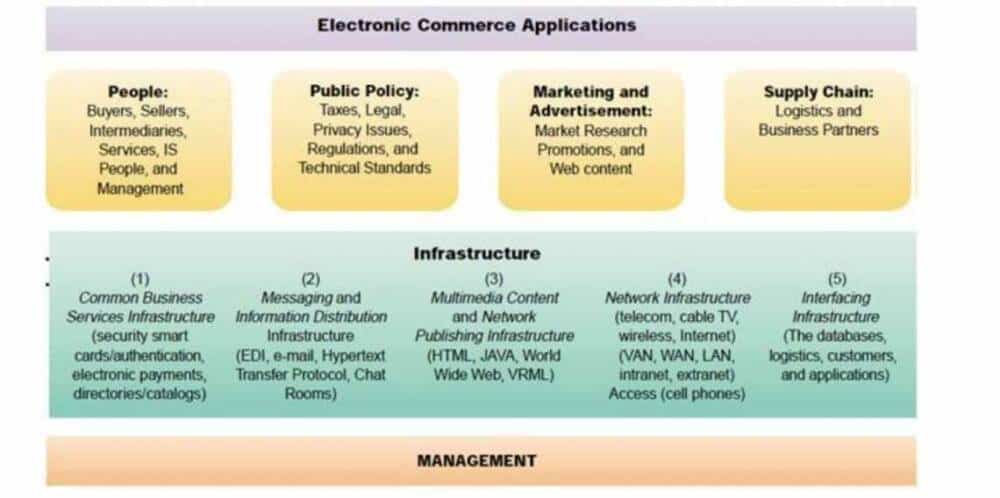
       The term e-commerce refers to the Internet-based buying or sale of goods, products or even services. E-commerce purchases vary from the obvious things like online retailing, online media outlets, online shopping, etc. to the more important items like digital payment, online banking and even the procedures of public administration. In this article we will concentrate on the information needed to start an E-commerce company in Bangladesh.

      Major Categories and Types of E-commerce business in Bangladesh 

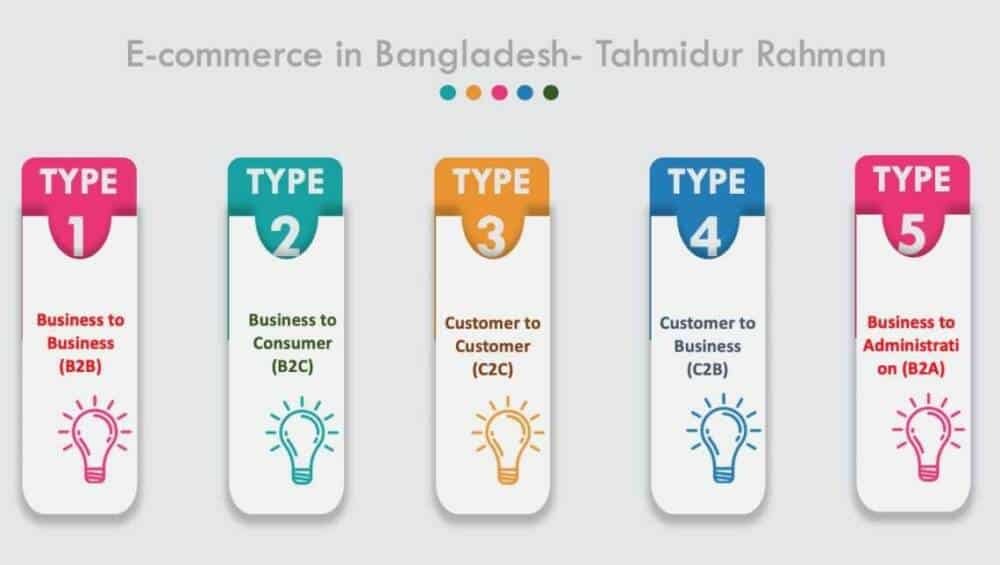
      In terms of E-commerce business in Bangladesh, there are three kinds of e-commerce, which are as follows-
      1. Items oriented: These online companies deal over digital media with tangible and physical goods or products.
      2. Service-oriented: These online businesses are specialized in delivering services to a customer, be it between businesses or just ordinary people or vice versa;
      3. Digital products oriented: These online companies are performing legal businesses like the two preceding ones but the goods or services they offer are entirely digital.

      The buying and selling process involves the exchange of web and electronic data using personal computers , laptops, tablets , cell phones etc. Companies are categorized as 'brick and mortar' (traditional trade), 'click and mortar' (partial e-commerce) and 'internet businesses' where all is digital for merchandise, distribution, and payment. The definition of e-commerce thus includes both purchases of physical goods and digitized products and services.
      In the current eBusiness world, M-Commerce (Mobile Commerce) and F-Commerce (Facebook Commerce) have become two common concepts. Within this paper both are listed within the wider e-commerce framework.

      What are the usual transactions in a e-commerce business in Bangladesh?

      These online transactions are usually done in the following six ways –


      1.Business to Business (B2B): The “Business to Business” transactions include two more companies conducting business with each other and barely ever involve the final customers;

      2. Business to Consumers (B2C): It is the business model where businesses directly offer goods or services to customers. Consumers are increasingly shopping for and purchasing goods online, arranging financing, arranging shipping or taking delivery of digital items such as apps, and getting after-sales services. B2C e-commerce includes online transactions often referred to as e-retail (or e-tail).
      In building B2C networks, some of the advantages businesses can achieve are decreased operational costs, increased marketing, globalization, customer satisfaction, knowledge management, etc .. Bangladesh e-commerce begins and mostly switches to B2C.

      3. Customer to Customer (C2C): The Customer to Customer” model refers to the direct transactions conducted between the consumers themselves;

      4. Customer to Business (C2B): The Customer to Business transactions refers to the providing of goods or services by a customer to legitimate businesses;

      5.Business to Administration (B2A): Business to Administration involves the transactions between businesses and governmental or administrative bodies.

      6. Customer to Administration (C2A): Customer to Administration refers to the transactions that are made between the ordinary consumers and governmental bodies.

      Open your e-commerce business in Bangladesh

      Process of Starting an E-commerce business in Bangladesh

      The procedure required to start an E-commerce company in this country depends entirely on the nature of the business itself.

      • Individual businesses: If your online company is all about the Customer to Consumer ( C2C) model and you just want to trade with someone over the internet, then you don't need a lot of formality. At the other hand, if you sell any goods or services actively through a website or page and you are the sole owner of the said company, then you will need a valid trade license and proper E-TIN set-up.


      • Companies or Associations: If your favored business model is Business to Customer (B2C), where you want to set up a company or association to sell your goods or services, the laws currently in force in Bangladesh regarding companies, partnerships or associations etc. will be applicable to you to set up your e-commerce business in Bangladesh.
      • Domain & intellectual properties: Another important step of setting yourself up in the E-economy is to purchase a domain name. Being prepared with a valid domain, trademarks, copyrights etc. will be instrumental in securing your intellectual properties among other things.
      • A typical Bangladesh online business: A typical Bangladesh online business starts with the development of a website or a public page in an asocial media network. The items or services to be sold are then cataloged on the Customers' website or page on browse through. The final aspect of this initial phase is incorporating a safe form of payment, and there are quite a few good choices to choose from in your own e-commerce business in Bangladesh.
      • Payment methods: Most online stores have a cash-on - delivery system which, of course, needs no digital payment method. At the other end of the spectrum, a large chunk of all mobile banking in this country is currently being done via services such as Bkash, Rocket, Nexus Pay etc., but you do have the option of accepting other services such as the various credit or debit cards, PayPal, Money Gram or any other FIN Tech (Financial Technology) methods. The trick is to go for something that's easily available and that has the most users. Hence:


        Setting up a payment gateway system in Bangladesh requires few papers/documents:

      1. Company Trade License
      2. Owner’s NID & Photograph
      3. Bank Details
      4. Company Logo
      5. Website URL
      6. Signature & Seal

      As of now, the Bangladesh Bank has allowed funds to be transferred up to BDT 5,00,000 between two customers who have accounts on the same bank via online facilities, provided that the transactions comply with the prevailing Money Laundering Prevention laws and related government circulars.
      Nevertheless, in the case of any legal issue emerging from these projects, it is often prudent to obtain professional assistance. According to the laws currently in effect in Bangladesh, e-economy participants are entitled to various legal remedies with the least amount of difficulty. The article would also address the prospective risks of operating E-commerce companies.

      Legal framework for e-commerce business in Bangladesh

      Potential Legal regulations in regards to starting an e-commerce in Bangladesh


      •  Consumer Protection legislation is important in e-commerce business in Bangladesh to create consumer trust. In merchant's bank account, a holding fund mechanism listed in the 'E- Payment' section might be established; consumers do need to use true identification for the purposes of the transaction.


      • Privacy of consumer’s communication, preference, visit information, personal and financial data must be maintained by the relevant merchant. There has to be a clear definition of what form of communication, intention or promise between merchant and consumer will be counted as service agreement; violation of which would face legal consequences in the justice system.

      • Community Conscious Driven Policy needs to be established in the e-commerce business in Bangladesh. The socio-economic scenario differs from country to country. Expectation from businesses and consumers need to weight in our existing standard.


      • Code of Conduct for the businesses and customers need to be defined. Any form of digital communication must not violate traditional social and business etiquette within the e-commerce business in Bangldaesh.

        Dispute Resolution Mechanism should be clearly stated and communicated properly to the stakeholders. A cyber court might just be established for quick resolution of such cases specifically for e-commerce businesses in Bangladesh.


        •  ICT Act is undergoing revision. As the cyber world evolves very rapidly, a legal committee will eventually be set up to review the law and make appropriate changes every six months. 

        •  Most e-commerce operations incorporate a variety of digital activities and conventional business processes. ICT Act will ensure compliance with current legislation and ecommerce regulations is sufficient.

        • Though e-commerce ensures easy access to entrepreneurship, some form of regulations will eventually be imposed for the new entrants for identification, authentication, taxation and monitoring purpose. Easy registration process using e-tin, address, etc will eventually be incorporated to ensure the transactions under a legal umbrella.

        • Insurance policy might also be formulated to protect businesses and consumers from larger accident and fraud incidents.

      For details of filing system, click here or in the image below-


      If you want to know how to open a company in Bangladesh or about company formation click here!

      Best company formatio law firm in Bangladesh_ E-commerce business in Bangladesh

      How to get a Trade License in Bangladesh?

      Click here and go to the post, Tahmidur Rahman speaks in details about Trade License in Bangladesh | Fees, Processing and Renewal!

      What are the potential pitfalls of starting an e-commerce business in Bangladeh ?


      As a fairly recent development in Bangladesh's economic history, there are several possible problems that may emerge from an online company. Many of these problems are discussed briefly below- 

      1. Credit and Guarantee: A large percentage of higher-end transactions are made by loans such as EMI or other types of instalment plans. For certain situations, civil proceedings can be required when the consumer defaults.  

      2. Financial fraud: all the time when it comes to e-commerce in Bangladesh, financial fraud such as credit card fraud, the use of illegal payment methods etc. Established in compliance with the 1990 Money Loan Court Act, the Artha Rin Adalat is a judicial body dealing with the recovery of money loaned to citizens through public sector financial institutions. This court can adjudicate financial fraud committed in e-transactions such as credit card frauds etc. There are some other legal remedies available under Bangladesh 's laws to a possible victim of fraud such as the Digital Protection Act, 2018 among others. 

      3. Return products or non-delivery of goods: E-commerce companies regularly recall items returned by consumers for different reasons, some of which are specific concerns such as the size of apparel products, while others are as ambiguous and illogical as they may be. In addition to the financial blows suffered by the sellers, factors such as product return or product non-delivery may also be harmful to the purchasers. Under existing legislation such as the Sale of Goods Act, 1930 etc., online sellers and purchasers are entitled to a plethora of protections that can be legally enforced.

      4. Quality of products: The E-economy of Bangladesh has a long history of venders providing unsatisfactory goods or services to the customer. This is mainly due to the fact that the customers do not get to check or verify what they are buying before the actual delivery takes place. This has apparently resulted in sellers delivering damaged, expired or unusable products in the end. Issues of damaged goods or goods in lesser quantity than originally agreed upon can be brought to legal action under the governing laws of the country such as the Consumer Protection Act, 2009, The Sale of Goods Act 1930, The Contract Act, 1872, The Penal Code, 1860 and the Standard of Weights & Measures Ordinance, 1982 etc.

      5. Adulterated goods: whether purchased by a customer or a business, whether it is the duty of an online retailer to deal with adulterated goods and products, it will be subject to legal consequences. The 1974 Special Powers Act provides legal provisions for adjudicating vendors trading in adulterated goods, beverages, or other items.

      6. Infringement of Intellectual Property: There is a general disregard among the Bangladeshi people for intellectual property laws, particularly when it comes to digital products, due to the state of the basic economy and the newness of information technologies.

      7. Exploitation: The very existence of the techs used to perform different transactions online leaves space for vulnerabilities that can be manipulated for illicit benefit. Frauds in the credit or debit card, frauds in the digital identity forgery, infringements of authority, unauthorized access to data and privacy etc. are some of the examples that can seriously hamper an individual's or business' livelihood. In addition to careful planning by the users, in the aftermath of these incidents, legal proceedings are also necessary. 


      E-commcerce business in Bangladesh_Tahmidur Rahman_ Top law firm Bangladesh
      Ecommerce company in bangladesh_business law firm in dhaka

      "TR Barristers in Bangladesh is Considered as one of the leading firms in Company law in Dhaka, Bangladesh"

      Carpe Noctem Bangladesh

      Frequently Asked Questions- FAQ about E-commerce Business in Bangladesh

      In regards to opening an E-commerce company in Bangladesh, people also ask these questions frequently, hence this FAQ content block is dedicated to answering your questions.

      General Questions about Starting an E-commerce company in Bangladesh

      What is E-commerce business in Bangladesh?

      E-commerce includes the purchasing and sale of products and services by businesses and customers via the electronic medium. E-commerce, also known as electronic commerce or internet commerce, refers to the purchasing and sale of goods or services through the Internet, and the transfer of money and data to carry out these transactions.

      How many e-commerce business are there in Bangladesh?

      The eCommerce Association of Bangladesh (e-Cab), an eCommerce trading organization in Bangladesh, reports that there are 700 eCommerce sites and about 8,000 eCommerce pages on Facebook. Facebook remains a common method of advertising and selling goods, to the point that many companies forgo the production of websites.

      What are e-commerce companies?

      Amazon, Alibab and e-bay probably the most influential e-commerce business in the world. Our neighboring country have flipkart, which is an Indian based eCommerce web portal founded by Sachin Bansal and Binny Bansal in 2007. In Bangladesh currently we have Daraz and E-valy dictating the e-commerce market.

      What are the 5 types of e-commerce?
      • Business-to-Business (B2B)
      • Business-to-Consumer (B2C) 
      • Consumer-to-Business (C2B) 
      • Business-to-Administration (B2A) 
      • Consumer-to-Administration (C2A)
      What is the best e-commerce company in Bangladesh?

      Daraz is considered to be one of the best e-commerce companies in Bangladesh. As one of the most innovative and successful online stores in Bangladesh, Daraz.com.bd offers a wide range of products, including electronics , apparel, home appliances, children's goods , furniture, beauty and health, and much more.

      How to start an e commerce business in Bangladesh (step by step)?
      1. Select The Best Business Structure and Register Your Business legally in Bangladesh.
      2. Research Ecommerce Business Models.
      3. Start Ecommerce Niche Research.
      4. Validate Target Market and Product Ideas.
      5. Register Your Ecommerce Business & Brand Name.
      6. Finalize Your Ecommerce Business Plan.
      7. Create Your Online Store.
      8. Attract Customers To Your Ecommerce Website.
      Do I need to register my e-commerce company in Bangladesh?

      Choose a business name and register your company. There are legal protections and tax benefits for incorporating, so don’t skip it. Email us for aiding you to a seamless formation.

      What is ECAB?

      The e-Commerce Association of Bangladesh (e-CAB) was established to accelerate the growth of the e-Commerce sector in Bangladesh. The e-CAB was designed to address the current problems of e-Commerce in order to ensure its development. E-CAB aims to act as a shared forum for companies active in the e-commerce sector in Bangladesh. The e-CAB will act as their voice. In addition , e-CAB will undertake a range of activities, including research, publication, training, workshops , seminars, etc., to develop the e-commerce market.

      How to become a member of E-CAB in Bangladesh?
      • Logo of your e-commerce company
      • A short profile of the company (minimum 100 words)
      • Contact person name and contact address
      • Photocopy of the updated trade license of the organization/company
      • Photocopy of the updated Tax Identification Number (TIN) certificate
      • Photocopy of the National ID card of the proprietor/managing director/Chairman of the company
      • Passport size picture of the proprietor/managing director/Chairman of the company

      Get legal advice from the best company formation Law firm in Dhaka

      The Barristers, Advocates, and lawyers at TRW in Gulshan, Dhaka, Bangladesh are highly experienced at assisting clients through the entire process and legal provisions relating to the setting up of your E-Commerce business in Bangladesh and the safeguarding of your rights and interests in case of any conflicts.

      For any queries or legal assistance, please reach us at:

      E-mail: info@trfirm.com

      Phone: +8801847220062 or +8801779127165

      Address: Road 126 (4th Floor) Islam Mansion, Gulshan 1, Dhaka.


      Tahmidur Rahman | Law Firm in Dhaka

      Affiliated with TR Barristers in Bangladesh, A full service multi-directional law firm in Dhaka.

      © 2018-2023 Tahmidur Rahman Matte IT Ltd.

      NEED HELP?

      Privacy Policy
      Disclaimer
      Client Login
      Sitemap

      Pharmacy Business in Bangladesh – Permission, License process and Business Formation

      Pharmacy Business in Bangladesh – Permission, License process and Business Formation

      Starting a pharmacy business in Bangladesh is one of those businesses that looks simple from the outside but is tightly regulated behind the scenes. If you get the structure, licensing and compliance right from day one, it can become a stable and profitable healthcare venture. If you rush the process or ignore regulatory details, delays and penalties are almost guaranteed.

      This guide walks you through the real-world process of opening a pharmacy in Bangladesh, including qualifications, licensing, premises standards, compliance duties and operational best practices. It is written to help first-time entrepreneurs, healthcare professionals and investors understand what actually matters.


      Understanding how pharmacy regulation works in Bangladesh

      Pharmacy businesses operate under a dual regulatory framework. Licensing and operational approval are handled by the Directorate General of Drug Administration, while pharmacist qualifications and professional registration fall under the authority of the Bangladesh Pharmacy Council.

      This separation is important. A shop cannot legally sell medicines unless it has a valid drug licence, and that licence depends on having a qualified pharmacist connected to the business. In practice, regulators look at three things:

      • Who is professionally responsible for dispensing medicines
      • Whether the premises meet health and safety standards
      • Whether documentation and records are compliant

      A pharmacy is not treated like an ordinary retail store. It is considered part of the healthcare system, which is why inspection, record keeping and staff qualifications are taken seriously.


      Planning your pharmacy before licensing

      Most licensing problems start long before paperwork is filed. The planning stage determines whether approval will be smooth or painful.

      Location is critical. Pharmacies perform best near hospitals, clinics, diagnostic centers or densely populated residential areas. Accessibility and visibility matter more than interior decoration. Regulators will also inspect whether the premises are safe, hygienic and suitable for storing medicines.

      You should already have:

      • A defined shop space with clear ownership or rental documentation
      • Basic layout planning for dispensing and storage
      • Electricity and water access
      • Cleanable surfaces and secure shelving

      If you intend to pursue Model Pharmacy accreditation later, design the shop with those standards in mind from the beginning. Retrofitting after inspection is expensive and time consuming.


      Professional qualification and pharmacist requirement

      A pharmacy must operate under the supervision of a qualified pharmacist. This can be the owner or an appointed pharmacist-in-charge.

      The pharmacist must hold recognized credentials or certification issued through the Bangladesh Pharmacy Council. Their registration details must be current and displayed inside the pharmacy. This is not optional paperwork. Inspectors treat pharmacist presence and documentation as core compliance requirements.

      Many licence applications stall because the pharmacist appointment letter is incomplete or credentials are missing. Treat this step as foundational, not administrative.


      Licensing process for a pharmacy business

      The licensing stage formalizes your authority to sell medicines. The application is submitted to the Directorate General of Drug Administration and involves documentation, payment verification and inspection.

      A proper application typically includes:

      • Completed licence application form
      • Government treasury or bank payment receipt
      • Trade licence from the relevant municipal authority
      • Shop ownership deed or rental agreement
      • Pharmacist registration documents and appointment letter
      • Owner identification and tax registration
      • Premises details or layout reference

      Once submitted, regulators review the paperwork and conduct a physical inspection. Inspectors evaluate cleanliness, storage arrangement, signage, documentation readiness and pharmacist oversight.

      Delays usually occur when documentation is inconsistent, addresses do not match, or premises fail hygiene expectations. Precision matters more than speed during submission.


      Premises and operational standards

      A pharmacy is expected to meet baseline healthcare facility standards. Even small retail outlets must demonstrate:

      • Structural safety and leak-free roofing
      • Clean floors and surfaces suitable for disinfection
      • Safe medicine storage away from contamination
      • Reliable water supply and electricity
      • Organized dispensing area

      If operating under Model Pharmacy standards, additional requirements apply. These include a defined professional service area, separation of therapeutic goods from general retail items, and clear signage identifying the pharmacist-in-charge.

      The goal is simple: medicine handling must reflect healthcare discipline, not casual retail habits.


      Signage and public-facing compliance

      Signage is part of regulatory transparency. A compliant pharmacy displays:

      • Business name and licence details
      • Pharmacist registration information
      • Operating hours
      • No-smoking notice

      Misleading branding or unauthorized signage can trigger compliance action. If accreditation status changes, signage must be updated immediately.


      Record keeping and ongoing obligations

      Licensing is not the finish line. A pharmacy operates under continuing compliance duties.

      You are expected to maintain:

      • Medicine purchase and stock records
      • Proper storage logs
      • Disposal documentation
      • Incident reporting for theft or unexplained losses

      Regulators may inspect without advance notice. Pharmacies that treat record keeping casually often face penalties even when their licensing paperwork is valid.

      Temporary closure, permanent shutdown or change in pharmacist supervision must be reported to authorities within prescribed timelines.


      Costs, timelines and expectations

      Startup costs vary depending on location, shop size and inventory scale. A small neighborhood pharmacy requires modest capital compared to a Model Pharmacy setup, which demands higher infrastructure investment.

      Licensing timelines depend on document accuracy and inspection scheduling. Applications prepared correctly can move smoothly, while incomplete submissions can linger for months.

      The biggest hidden cost is delay. Each resubmission or correction wastes time, rent and working capital.


      Common mistakes new pharmacy owners make

      The most frequent failures are procedural, not financial.

      Owners underestimate regulatory detail, submit incomplete applications, hire unqualified staff or ignore premises standards. Others rush into leases before verifying compliance feasibility.

      A pharmacy is a healthcare business first and a retail business second. Treating it otherwise invites trouble.


      Legal and professional support

      Navigating pharmacy licensing involves coordination between regulatory bodies, municipal authorities and professional councils. Many entrepreneurs choose guided support to avoid repeated corrections and inspection failures.

      TRW Law Firm in Bangladesh assists clients with pharmacy business formation, licensing documentation, compliance preparation and regulatory follow-up. Structured legal guidance reduces risk, saves time and prevents avoidable mistakes.

      Contact:
      info@trfirm.com
      +8801847220062 | +8801779127165


      Final perspective

      Opening a pharmacy in Bangladesh is achievable, but it rewards discipline, preparation and regulatory awareness. Strong documentation, qualified staffing and compliant premises are not bureaucratic hurdles. They are the foundation of a legitimate healthcare business.

      Build the structure correctly from the beginning, and the licensing process becomes manageable. Ignore the details, and the system will slow you down at every step.

      Charitable Trust in Bangladesh

      Charitable Trust in Bangladesh

      What is a charitable trust?

      A charitable trust pools assets (money, land, or other property) dedicated to a public benefit purpose such as education, healthcare, poverty alleviation, or religious worship. Trustees hold and manage those assets under fiduciary duties to carry out the settlor’s charitable intent. Charitable trusts in practice can:

      • Hold assets indefinitely or for a long-term spending strategy
      • Pay fixed annuities or variable distributions based on investment performance
      • Be re-directed under court supervision if the original purposes become impossible (cy-près doctrine)

      How Bangladesh determines a “charitable” purpose

      Two tests are generally applied:

      1. Is the declared purpose prima facie charitable? (education, relief of poverty, public health, religion, etc.)
      2. If yes, is it for the public benefit or interest?

      If both tests are satisfied, the arrangement will typically be treated as a charitable trust and receive the legal presumptions and protections that status carries.


      Advantages of forming a charitable trust in Bangladesh

      • Long-term permanence: trusts can be structured to continue indefinitely.
      • Flexibility under cy-près: if original objectives cannot be fulfilled, courts or regulators can approve alternative charitable uses.
      • Tax and duty benefits: qualifying charities often obtain significant tax reliefs and exemptions (subject to statutory conditions and approvals).
      • Credibility for fundraising: a registered trust with clear governance attracts donors and grants.

      Primary laws and regulations that affect charitable trusts

      Charitable activity in Bangladesh is governed by a combination of statutes and rules that shape registration, foreign contributions, and governance. Important legal instruments include (non-exhaustive):

      Practical note: specific regulatory requirements depend on the trust’s legal form, sources of funding (especially foreign donations), and whether it administers immovable property. Always confirm current procedural rules before filing.


      Types of trusts in Bangladesh — simplified

      Bangladesh recognizes three principal, practical categories:

      1. Trusts in the English/legal sense — private and public charitable trusts managed by trustees under the Trust Act.
      2. Waqf — Islamic endowments governed by Muslim law and regulated under the Waqf Ordinance. Waqf is generally permanent dedication of property for religious or charitable uses.
      3. Debottar — Hindu religious endowments for temples, mutts, or religious service, governed by specific endowment laws and succession rules.

      Waqf (Islamic endowment) — essentials

      • A waqf is created by a declaration of perpetual dedication of movable or immovable property for religious or charitable purposes. The donor is the waqif; the manager is the mutawalli.
      • Waqfs must be registered with the Waqf Administrator under the Waqf Ordinance, 1962. The office maintains records of deeds, mutawallis, and succession rules.
      • The Ordinance does not allow termination of a properly constituted waqf, but empowers the Administrator or courts to intervene if objectives are not being met.

      Debottar and Hindu charitable endowments

      • Debottar (temple endowments) and mutts can be created orally or in writing and may take effect by gift or will.
      • Formalities vary by context, but typical legal controls include the Religious Endowments Act, Charitable and Religious Trusts Act, various registration and succession laws.
      • Public debottar is open for general worship; private debottar serves a family or defined group.

      Step-by-step: forming a charitable trust in Bangladesh

      1. Decide the legal vehicle: trust deed, society, non-profit company, or waqf, each has different governance and compliance.
      2. Draft a clear trust deed or constitution specifying: charitable objects, trustees’ powers, succession of trustees, asset list, distribution policy, and spending rules.
      3. Identify and appoint trustees who are legally capable and willing to accept fiduciary duties. Trustees must understand their duties and the possibility of remuneration permitted under the deed.
      4. Register the instrument where required: immovable property transfers normally require registration under the Registration Act. Waqfs require registration with the Waqf Administrator. Societies and companies follow their respective registration procedures.
      5. Obtain tax registrations and confirm any eligibility for exemptions. If accepting foreign donations, review and apply for required permissions under foreign contributions laws.
      6. Open bank accounts in the trust’s name and maintain transparent accounting and minutes.
      7. Put in place compliance systems: annual returns, audit, donor reporting, and concurrency with sector rules (microfinance, education, health, etc.)

      Practical compliance risks and how to avoid them

      • Accepting foreign funds without clearance can trigger penalties. Always confirm foreign contribution permissions in advance.
      • Poorly drafted deeds create disputes and may allow removal of trustees or administrative intervention. Use precise objects and governance clauses.
      • Mismanagement of waqf or debottar assets invites takeover by authorities; keep records, proper succession, and transparent reporting.
      • Trustees should avoid conflicts of interest and must maintain proper accounts and annual audits.

      Documents typically required

      • Trust deed or instrument of waqf / memorandum and articles (for a non-profit company)
      • List of trustees and identity documents
      • Proof of title for any immovable property (for registration)
      • Bank account information and initial asset schedule
      • Minutes of trustee meetings and appointment letters
      • Statutory filings, tax registrations, and foreign donation approvals (where needed)

      When to choose a waqf, debottar, trust, society, or company

      • Use waqf when the donor wants a permanent Islamic endowment for religious or charitable use.
      • Use debottar for Hindu temple or deity-related endowments.
      • Use a trust or society for flexible charitable activity with trustees or members.
      • Use a non-profit company when a corporate governance structure with limited liability is needed, or for larger grant-driven programs.

      Need legal help?

      If you need a tailored trust deed, waqf registration, advice on foreign contributions, or compliance checks, professional guidance avoids costly mistakes. For legal assistance and document drafting contact:

      Email: info@trfirm.com
      Phone: +8801847220062 | +8801779127165
      Office: based in Dhaka